Imagine picking up a stick of rich, buttery color and drawing directly onto canvas with bold, expressive strokes — no palette, no brushes, no messy setup.
Oil Sticks and Oil Bars blend the intensity of professional oil painting with the freedom of a crayon. Artists can create sweeping gestures or fine details, then blend them seamlessly with traditional tools.
These innovative tools have transformed how creators work. They deliver vibrant pigment in a solid form, making oil painting more spontaneous and enjoyable.
Why Artists Choose Oil Sticks & Bars
-
Highly portable — perfect for plein air sketching or studio sessions.
-
No palette required — apply color straight from the stick.
-
Fast coverage — ideal for large areas and quick blocking-in.
-
Exceptional layering — build rich textures while following oil painting principles.
Whether you are a beginner exploring oil painting or a seasoned professional seeking new expression, oil sticks open exciting creative doors.
In this complete guide, you will discover: • What Oil Sticks and Oil Bars really are • Their fascinating history • How to choose the right ones • Step-by-step techniques (from basic to advanced) • Comparison with traditional oil paints • Expert recommendations for Phoenix professional Oil Sticks
Ready to unlock the full potential of this versatile medium? Let’s dive in.
What Are Oil Sticks and Bars?
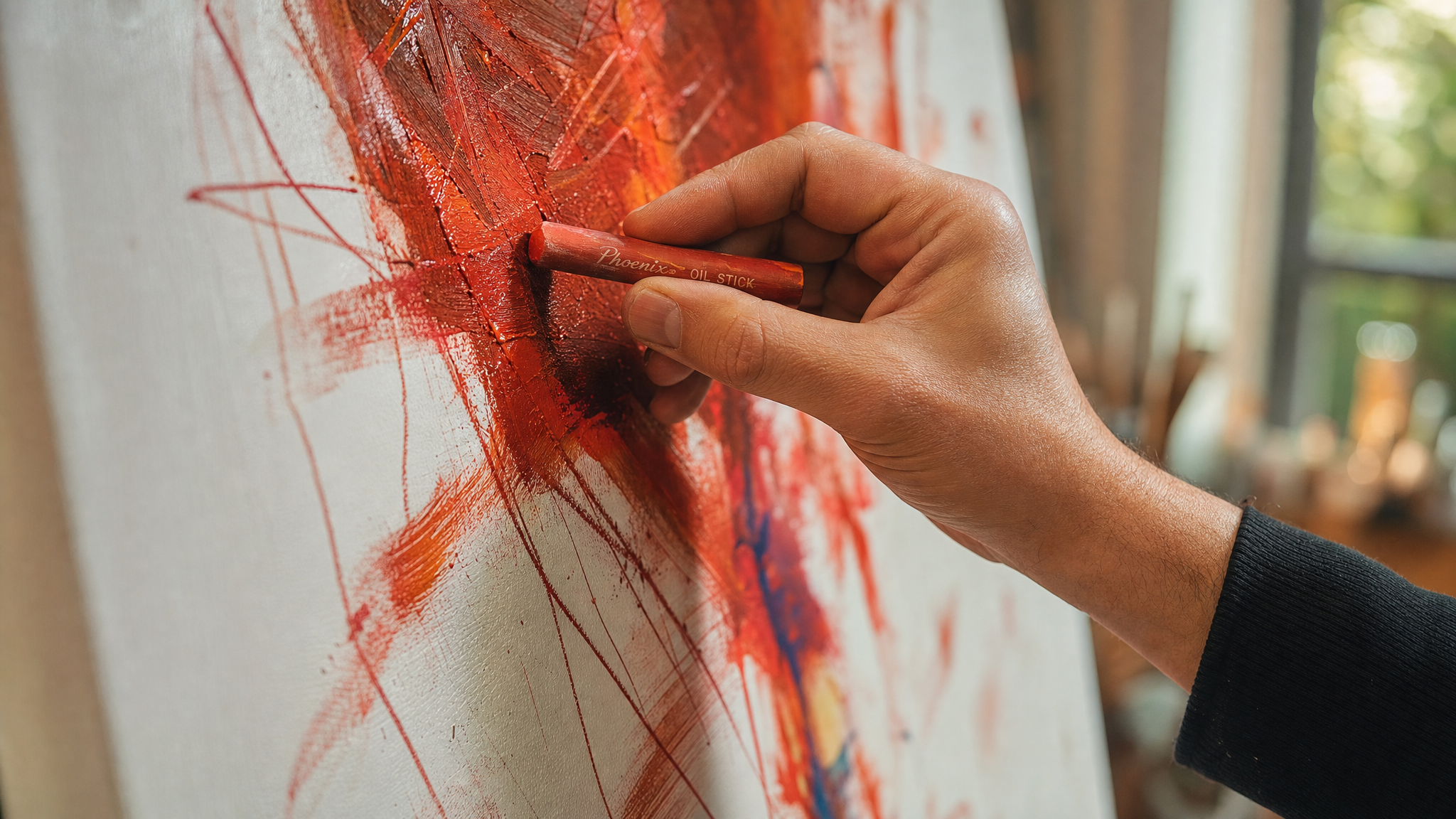
Oil sticks and oil bars are professional-grade oil paints shaped into convenient stick form. They combine high-concentration pigments with drying oils and a small amount of wax that encases the bar.
This unique formula allows artists to draw directly with rich, buttery color. Unlike traditional tube oil paints, you don’t need a palette. Unlike oil pastels, oil sticks contain drying oils, so they cure and harden over time just like regular oil painting works.
Key Differences at a Glance
| Feature | Oil Sticks / Oil Bars | Traditional Oil Paints | Oil Pastels |
| Form | Solid wax-encased stick | Tube (soft paste) | Soft wax stick |
| Binder | Drying oil + minimal wax | Drying oil | Non-drying oil + high wax |
| Drying Time | Dries and cures like oil paint | Dries slowly | Never fully dries |
| Surface Preparation | Needs primed surface | Needs primed surface | Can use on many unprepared surfaces |
Oil sticks feel like a hybrid tool — part paint, part drawing instrument. A light touch creates crayon-like lines for sketching. A firmer pressure delivers thick, expressive painterly marks. You can use them alone or blend with brushes and knives for endless possibilities.
Why Phoenix Oil Sticks Stand Out
At Phoenix Art Materials, we use high-purity pigments and premium wax formulations. This delivers intensely saturated colors that stay vibrant even after drying. Our sticks resist cracking and crumbling, offering smooth application and a long shelf life.
Artists appreciate how Phoenix oil sticks maintain excellent consistency — neither too hard nor too soft — making them reliable for both studio work and outdoor sessions.
The History of Oil Sticks and Bars
The story of oil sticks and oil bars begins in Paris in 1949. Legendary artist Pablo Picasso approached Henri Sennelier with a special request: he wanted a new medium that combined the richness of oil paint with the directness of a drawing tool. Sennelier responded by creating the first professional oil sticks, designed for use on almost any surface without special preparation.
This invention gave artists unprecedented freedom. Picasso immediately embraced the new tool, using it to explore bold, spontaneous marks that perfectly matched his creative energy.
Famous Artists Who Embraced Oil Sticks
Many influential figures helped popularize these versatile tools:
-
Pablo Picasso — The original pioneer who inspired their creation.
-
Cy Twombly — Masterfully used oil sticks for his large-scale, gestural scribbles and poetic marks.
-
Jean-Michel Basquiat — Incorporated oil sticks into his raw, energetic street-art style, layering them with acrylics and spray paint for powerful, textured works.
Their adoption by these masters moved oil sticks from experimental product to respected fine art medium.
Over the decades, oil sticks evolved from early formulations into today’s high-quality professional tools. Modern versions offer better drying properties, richer pigment loads, and improved lightfastness.
What started as a custom request for one artist has become an essential part of many contemporary studios. Today, oil sticks and oil bars are prized for both quick sketching and ambitious, large-scale oil painting projects.
Why Artists Love Using Oil Sticks and Bars
Oil sticks and oil bars have won over artists worldwide for their unmatched convenience and creative freedom. They eliminate the need for palettes, solvents, or complex setups, letting you start painting in seconds.
Exceptional Portability
Grab a few sticks, a small canvas or sketchbook, and you’re ready to create anywhere. No messy tubes or cleaning brushes required. This makes them perfect for travel, outdoor sessions, or quick studio ideas.
Powerful Expressiveness
These tools offer incredible range in one stick. Use a light touch for delicate, sketchy lines or press harder for bold, impasto-style strokes. You can create thin glazes or rich, textured layers — all with the same tool.
Perfect for Many Creative Situations
-
Quick sketching and idea development
-
Plein air painting and outdoor studies
-
Large-scale works with dramatic layering
-
Mixed media projects combining paint, drawing, and collage
Artists value how oil sticks support both fast blocking-in and detailed refinement while following proper oil painting principles.
What Artists Say
“Oil sticks feel so direct and intuitive. They brought back the joy of drawing into my painting practice.” — Many contemporary artists“Perfect for gestural marks and adding energy to a piece without slowing down my workflow.” — Studio feedback
How to Use Oil Sticks and Bars – Step-by-Step Techniques
Oil sticks and oil bars are incredibly versatile. With a few basic techniques, you can quickly master them and create professional-looking oil paintings.
Basic Techniques
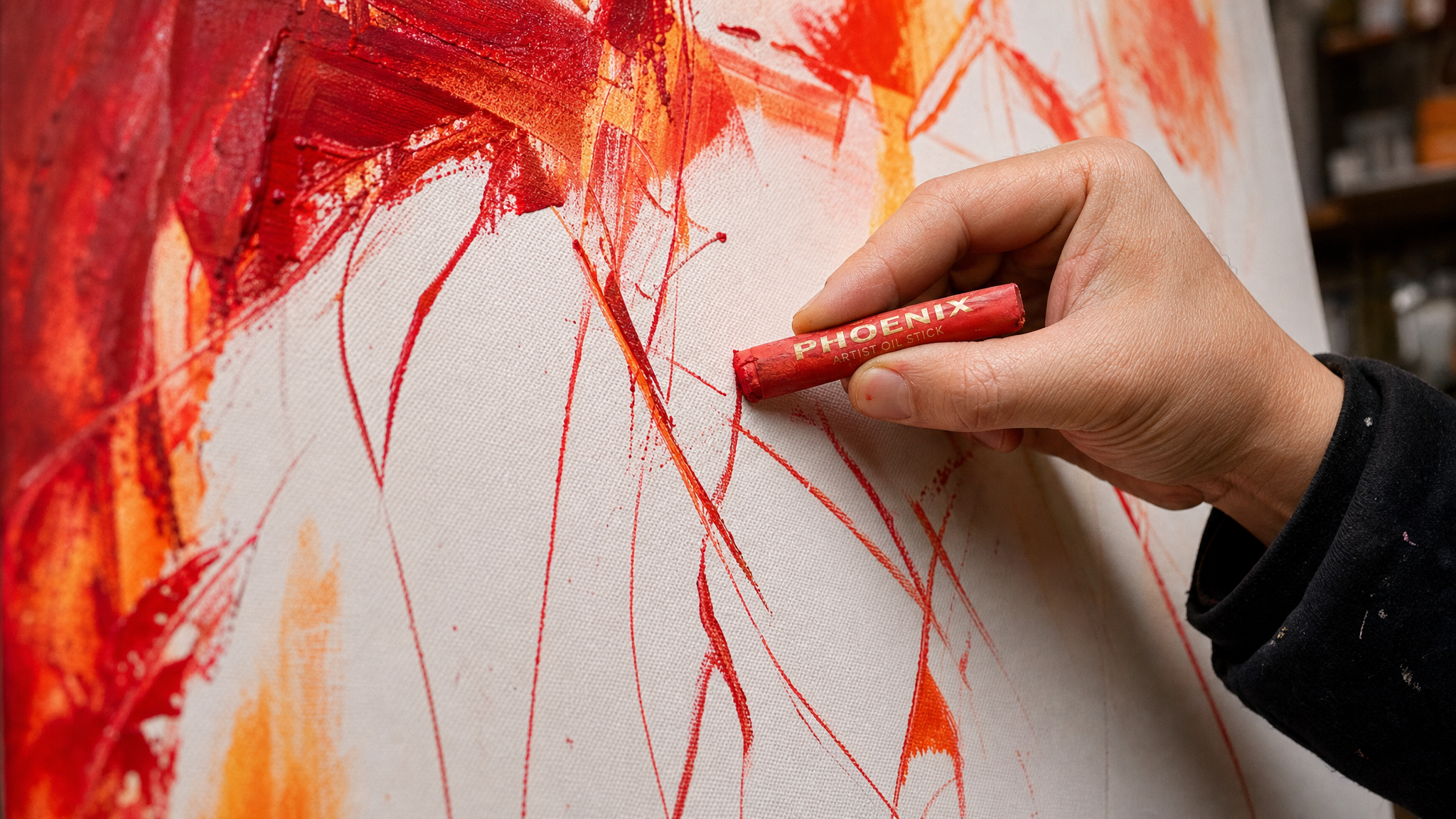
Light pressure produces fine, crayon-like lines — perfect for sketching outlines and adding details. Heavy pressure delivers rich, thick impasto strokes with beautiful texture and coverage.
Use your finger, a brush, or a palette knife to blend colors directly on the surface. The creamy consistency makes blending smooth and intuitive.
Pro Tip: Warm the stick slightly in your hand for even smoother application.
Advanced Techniques
Mix with Oil Mediums Dip or rub the oil stick with linseed oil, stand oil, or other painting mediums to create transparent glazes or softer marks.
Softening Method Briefly dip the tip of the stick in linseed oil for a few seconds. This softens it for broader strokes and easier blending.
Layering with Fat over Lean Always apply fatter (oil-richer) layers over leaner ones. Start with thinner marks and gradually build thicker applications on top. This prevents cracking as the painting dries.
Hybrid Approach Combine oil sticks with traditional tube oil paints and brushes. Use sticks for bold base layers and brushes for refinement and detail work.
Surface Preparation and Recommendations
Oil sticks work best on primed surfaces.
-
Canvas: Use primed cotton or linen canvas for best results.
-
Panel: Wooden or aluminum panels offer stable support for heavy texture.
-
Paper: Heavyweight, primed paper or oil sketching paper for studies.
Phoenix Art Materials Canvas is highly recommended. Its premium priming provides excellent tooth and adhesion, helping oil sticks grip well while allowing smooth layering.
Essential Tools
-
Palette knives (for blending and texture)
-
Synthetic or bristle brushes
-
Phoenix Blending Stick (specially formulated for smooth mixing)
-
Linseed oil or your favorite medium
Oil Sticks vs Oil Paint vs Oil Pastels
Choosing the right medium can greatly impact your creative process. Understanding the core differences between oil sticks, traditional tube oil paints, and oil pastels helps you select the best tool for each project.
Key Differences Comparison
| Aspect | Oil Sticks & Oil Bars | Traditional Oil Paints | Oil Pastels |
| Composition | High pigment + drying oil + minimal wax | High pigment + drying oil | Pigment + non-drying oils + high wax |
| Drying Time | Dries and cures like oil paint (days to months) | Slow drying (days to months) | Never fully dries, stays workable |
| Texture & Marks | Creamy, versatile — from fine lines to thick impasto | Smooth blending, various consistencies | Buttery, soft, waxy feel |
| Portability | Excellent — no palette needed | Requires palette and cleanup | Very portable |
| Best For | Quick sketches, layering, mixed media | Detailed studio work, smooth blending | Vibrant color, drawing-like effects |
| Archival Quality | Excellent when fully cured | Excellent | Lower (can bloom or fade) |
When to Choose Oil Sticks
Pick oil sticks when you need:
-
Fast setup and spontaneous creation
-
Outdoor painting (plein air) or travel sketching
-
Bold, expressive textures and unique gestural marks
-
Strong layering capabilities while following oil painting rules
-
A bridge between drawing and painting
They shine in situations where traditional tube paints feel too slow or messy, yet you still want true oil paint permanence and depth.
Many artists switch to oil sticks for initial blocking-in, then combine with brushes for finishing touches. This hybrid approach saves time while delivering professional results.
How to Choose the Right Oil Sticks and Bars
Selecting quality oil sticks ensures better color vibrancy, longevity, and enjoyable painting experience. With many options available, focus on key factors that match your artistic needs.
Quality Factors to Consider
When comparing brands, pay attention to these essential aspects:
-
Lightfastness — Choose sticks rated ASTM I or II for maximum resistance to fading.
-
Pigment Concentration — Higher pigment load delivers richer, more intense colors with better coverage.
-
Wax Stability — Premium wax formulations prevent cracking, crumbling, or excessive softness over time.
-
Consistency — The stick should feel creamy yet firm — not too hard (difficult to apply) or too soft (messy).
Sizes and Set Recommendations
Oil sticks come in different sizes to suit various workflows:
-
38ml (Standard) — Most popular size, ideal for everyday use and detail work.
-
96ml (Large) — Great for large-scale paintings and covering big areas quickly.
-
12ml (Mini) — Perfect for beginners, color testing, or travel kits.
Set Suggestions:
-
Beginners: Start with a 6- or 12-color basic set.
-
Intermediate/Professional: 24–36 color sets for wider mixing options.
-
Individual sticks: Buy key colors (Titanium White, Cadmium Yellow, Ultramarine Blue, etc.) to expand your collection.
Why Choose Phoenix Professional Oil Sticks
Phoenix Art Materials offers professional-grade oil sticks with rich pigment purity and carefully balanced wax formulas. Our range features excellent lightfastness, highly saturated colors, and reliable consistency that artists love.
With competitive pricing and a wide color spectrum, Phoenix oil sticks deliver outstanding value without compromising quality. They perform beautifully for both studio work and outdoor painting.
Care and Storage Tips
Proper care keeps your oil sticks and oil bars in excellent condition for years. Good storage habits prevent drying, cracking, and color degradation.
Proper Storage Methods
-
Store oil sticks horizontally in a cool, dry place away from direct sunlight and heat sources.
-
Keep them in their original packaging or a dedicated stick box to protect the wax casing.
-
Avoid extreme temperature changes — they can cause the wax to soften or crack.
-
For long-term storage, wrap individual sticks in wax paper or aluminum foil.
Phoenix oil sticks are formulated with stable wax, making them more resistant to cracking than many other brands, but correct storage still extends their lifespan significantly.
Cleaning Tools and Surfaces
Clean brushes and palette knives immediately after use with odorless mineral spirits or your preferred brush cleaner.
For hands and work surfaces, use baby wipes or specialized oil paint cleaners. Dried oil stick marks on non-porous surfaces can be gently scraped off with a plastic scraper once fully cured.
Tip: Dedicate a separate set of brushes for oil sticks to simplify your cleanup routine.
Protecting Finished Artwork
-
Allow your oil painting to cure fully (at least 6–12 months) before varnishing.
-
Use a high-quality, removable artist varnish designed for oil paintings.
-
Frame works under glass for additional protection against dust and UV light.
-
Store unframed paintings flat, separated by acid-free paper.
Following these steps ensures your oil painting creations remain vibrant and stable for decades.
Popular Questions from Artists (FAQ)
Here are the most common questions artists ask about oil sticks and oil bars. We provide clear, practical answers based on real studio experience.
Can Oil Sticks Be Mixed with Traditional Tube Oil Paints?
Yes, they mix excellently. Oil sticks are fully compatible with conventional oil paints. Many artists use oil sticks for bold underpainting or texture, then refine details with brushes and tube colors.
They follow the same fat over lean rules. Phoenix oil sticks blend seamlessly thanks to their balanced oil-to-wax ratio, giving you greater creative flexibility without compatibility issues.
How Long Do Oil Sticks Take to Dry?
Drying time is similar to traditional oil paints:
-
Touch dry: 1–7 days depending on thickness and climate.
-
Fully cured: 6–12 months for thick applications.
Factors like color, layer thickness, and ventilation affect drying speed. Phoenix oil sticks use high-quality drying oils, so they cure reliably without excessive tackiness, making them suitable for both quick studies and long-term works.
Are Oil Sticks Suitable for Beginners?
Absolutely yes. Oil sticks are actually more beginner-friendly than tube paints. They require minimal setup, reduce mess, and allow immediate creative expression.
Beginners can start with basic techniques and gradually explore advanced layering. Phoenix offers well-balanced starter sets that are forgiving and encourage confidence from the first stroke.
How to Avoid Wax Affecting Final Varnishing?
The minimal wax content in professional oil sticks rarely causes major issues, but proper technique helps:
-
Allow the painting to cure completely (minimum 6–12 months).
-
Apply a thin isolating coat of retouching varnish before final varnish.
-
Use high-quality artist varnishes designed for oil paintings.
Phoenix professional oil sticks contain only the necessary wax for structure, resulting in lower interference compared to softer brands. This leads to cleaner, more predictable varnishing results.
Conclusion
Oil sticks and oil bars are a powerful way to expand your oil painting possibilities. They combine the rich color and permanence of traditional oil paints with the directness and spontaneity of drawing tools.
From quick outdoor sketches to large-scale studio works, these versatile sticks offer unmatched creative freedom, excellent layering, and expressive mark-making that many artists now consider essential.
Ready to Start Creating?
Discover the difference with Phoenix Professional Oil Sticks. Our high-pigment formulas deliver vibrant color, smooth application, and reliable performance that artists love.
Action Steps:
-
Browse our full range of Phoenix Oil Sticks
-
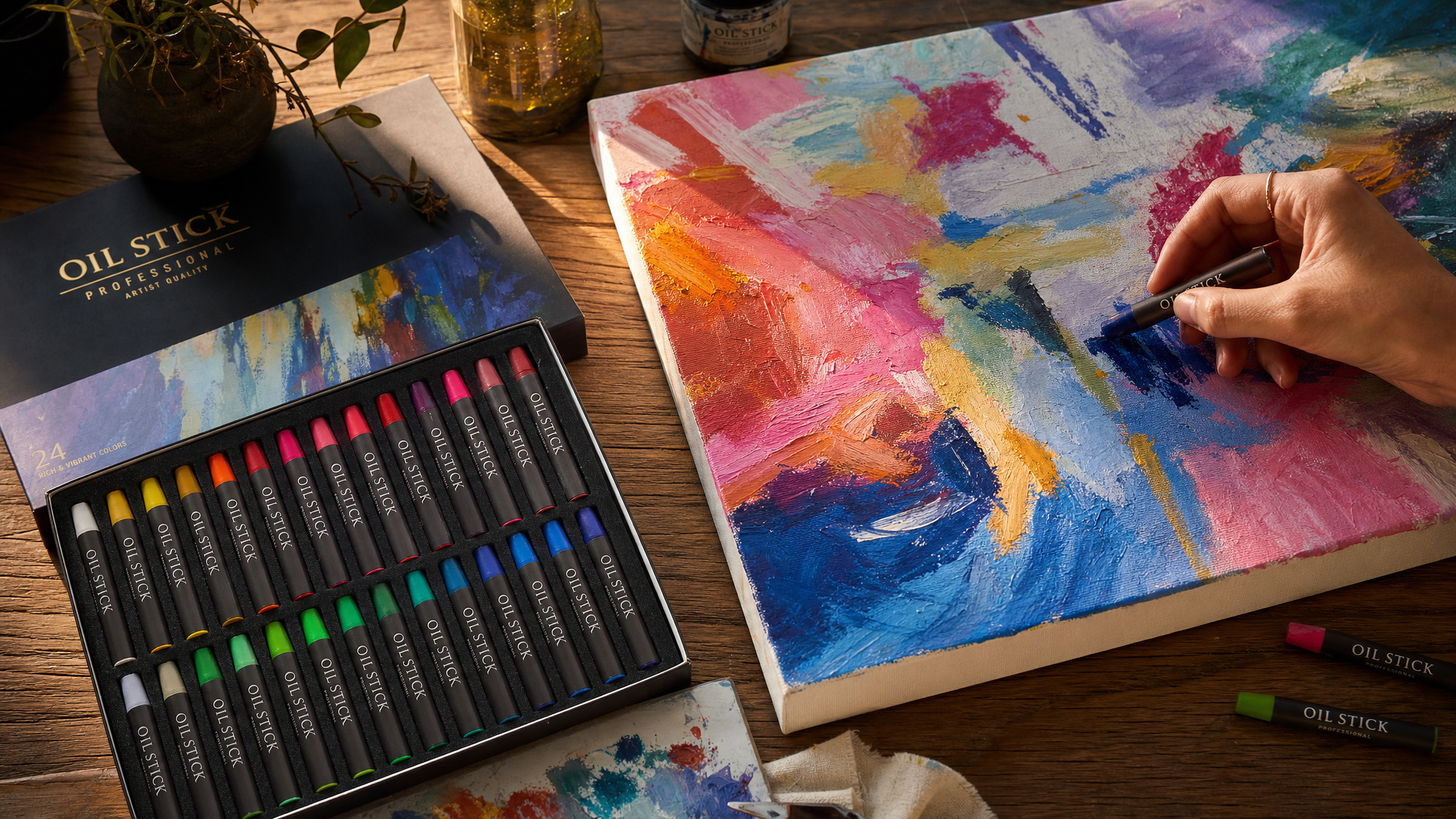
Try our popular 12-color Beginner Set or 24-color Professional Set
-
Contact us for custom color matching and bulk orders
Explore more resources:
-
Oil Painting Mediums Guide
Start your next masterpiece today with the freedom and quality of Phoenix Oil Sticks.