For art supply wholesalers, an oil paint range must do more than look colorful on a shelf. It has to meet real artist needs, support retail replenishment, fit different price points, and make sense across starter sets, individual tubes, classroom packs, and professional color assortments.
Oil paint customers are often more selective than casual craft buyers. They compare color strength, pigment information, opacity, consistency, drying behavior, tube size, and brand trust. A well-planned oil paint color range can help wholesalers serve beginners, schools, hobby painters, studios, and professional artists without carrying unnecessary inventory.
This guide explains how to structure an oil paint color range for wholesale and retail success.
Start With the Role of the Range
Before choosing colors, define what the range is supposed to do.
| Range Type | Color Count | Main Purpose |
|---|---|---|
| Starter range | 12 colors | Beginner kits and entry-level retail |
| Standard retail range | 24-36 colors | Hobby painters and repeat buyers |
| Expanded artist range | 48-72 colors | Better choice and professional use |
| Professional pigment range | 72+ colors | Specialist artists and premium stores |
| Private label set range | Custom | Brand-specific channel strategy |
Not every wholesaler needs a huge color range. A focused 24-color or 36-color range can perform better than an oversized range if it includes the right colors and clear packaging.
Build the Foundation: Essential Mixing Colors
The first colors should support broad mixing. A good foundation helps beginners learn and helps retailers explain the range.
Essential oil paint colors include:
- Titanium White
- Lemon Yellow
- Cadmium Yellow Hue
- Yellow Ochre
- Cadmium Red Hue
- Crimson or Alizarin Crimson Hue
- Ultramarine Blue
- Phthalo Blue
- Viridian Hue or Phthalo Green
- Burnt Sienna
- Burnt Umber
- Ivory Black
This selection covers warm and cool primaries, earth colors, dark values, and the most-used white. It supports landscape, portrait, still life, and classroom painting.
Add Earth Colors Early
Earth colors are essential in oil painting because they are useful, familiar, and frequently replaced. They also help artists control mixtures without relying only on bright primaries.
Important earth colors include:
- Yellow Ochre
- Raw Sienna
- Burnt Sienna
- Raw Umber
- Burnt Umber
- Van Dyke Brown or brown hue alternatives
For wholesalers, earth colors are strong candidates for individual tube sales because artists use them regularly in underpainting, portrait palettes, landscape work, and neutral mixtures.
Plan Whites Carefully
White is usually the highest-volume color in oil paint ranges. Many artists buy white more often than any other color.
Recommended white options:
| White | Role |
|---|---|
| Titanium White | Core opaque white for all ranges |
| Mixing White | Softer tinting option for advanced artists |
| Zinc White | Transparent, subtle mixing white |
| Warm White | Specialty color for portrait and traditional palettes |
For starter sets, Titanium White is usually enough. For expanded and professional ranges, adding a mixing white or Zinc White gives artists more choice.
Use Hue Colors Strategically
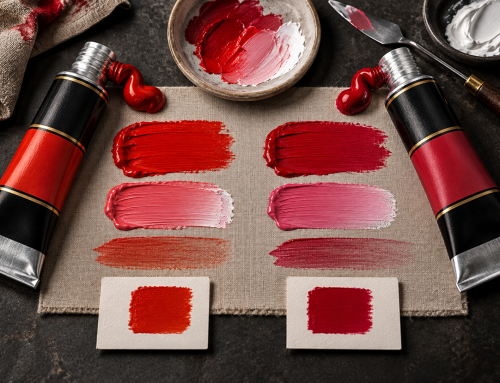
Many modern oil paint ranges include hue colors, such as Cadmium Yellow Hue or Cadmium Red Hue. A hue color is designed to approximate the appearance of a traditional pigment while often offering a different price, safety, or regulatory profile.
Hue colors can be useful for:
- Student-grade oil paint sets
- Affordable retail ranges
- School and education channels
- Private label starter kits
- Markets where heavy metal pigment concerns affect buying decisions
Packaging should be transparent. If a color is a hue, label it clearly. Trust matters in artist materials.
Decide Between Single Pigment and Convenience Colors
Artists often value single-pigment colors because they can produce cleaner mixtures. However, convenience colors are also useful because they save time and make painting easier.
A balanced range may include:
- Single-pigment primaries and earth colors
- Convenience greens for landscape painting
- Portrait colors or flesh tint options
- Neutral grey
- Warm and cool secondary colors
- Specialty colors for display appeal
For professional positioning, include pigment index information where possible. For beginner positioning, explain colors by use case.
Create Color Sets by Market Segment
Oil paint sets should be planned for specific customers.
Beginner Oil Paint Set
12 colors, small tubes, clear packaging, basic color chart.
Landscape Oil Paint Set
Blues, greens, yellows, earth colors, white, and useful neutrals.
Portrait Oil Paint Set
Titanium White, Yellow Ochre, Burnt Sienna, Raw Umber, red, blue, and skin tone mixing support.
Professional Mixing Set
Limited palette with strong pigment choices and larger tubes.
Wholesale Classroom Set
Durable packaging, high-volume colors, safe labeling, and easy reorder structure.
Color Charts Are a Sales Tool
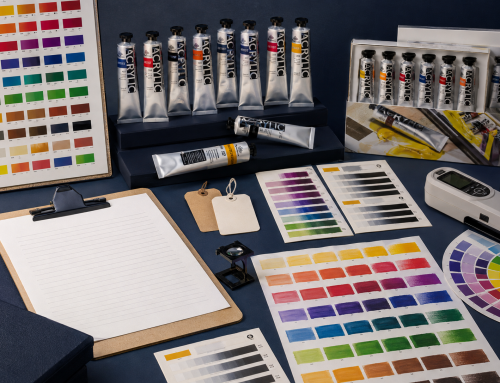
A color chart is more than a reference. It helps retailers sell the range and helps artists trust the product.
A useful oil paint color chart should include:
- Color name
- Pigment index, where available
- Opacity or transparency mark
- Lightfastness rating
- Series or price group
- Tube size options
- Suggested use, such as landscape, portrait, or mixing
For e-commerce, each color should have a clear swatch image and product description. For retail, printed charts and shelf cards help staff recommend colors.
Packaging and Tube Size Planning
Tube size affects channel strategy.
| Tube Size | Best Use |
|---|---|
| 12 ml | Starter sets, gifts, schools |
| 18 ml | Beginner and retail sets |
| 37 ml / 40 ml | Standard individual tubes |
| 50 ml | Retail and professional crossover |
| 120 ml / 200 ml | Studios, schools, heavy-use colors |
Wholesalers should carry larger sizes for Titanium White and high-use earth colors if the market supports them.
Final Recommendation
The best oil paint color range is not simply the largest range. It is the range that matches the buyer, channel, and product promise. Start with essential mixing colors, make whites and earth colors easy to reorder, add hue colors where appropriate, and use color charts to build trust.
Phoenix Art Materials can support oil paint wholesale range planning, color set development, packaging, and private label customization for art supply distributors and retailers.
FAQ
How many colors should an oil paint wholesale range include?
A starter range can begin with 12 colors, while a stronger retail range often includes 24 to 36 colors. Professional ranges may include 48 colors or more.
What are the best-selling oil paint colors?
Common high-use colors include Titanium White, Ultramarine Blue, Yellow Ochre, Burnt Sienna, Burnt Umber, Cadmium Yellow Hue, Cadmium Red Hue, and Ivory Black.
Should oil paint sets include hue colors?
Hue colors can be useful for student-grade and affordable retail ranges, as long as the packaging labels them clearly.
Why is a color chart important for oil paint?
A color chart helps artists compare opacity, pigment information, color families, and mixing potential. It also helps retailers explain the range.
Related Posts