Understanding Why Build a Complete Painting Supplies Range?
As a premier manufacturer of painting supplies, we understand that expanding your art brand requires more than just offering standalone products. Building a comprehensive retail product range is a strategic move designed to capture a larger market share, solidify your brand identity, and establish your platform as a one-stop destination for fine art paints and accessories.
Expanding Market Reach and Brand Loyalty
Launching a complete product line development strategy allows your brand to transition from a niche seller into an authority in the art store supplies industry. When artists trust your brand for one product, they are highly likely to adopt your entire ecosystem.
- Cross-Category Trust:An artist buying your premium oil colors is primed to buy your stretched canvases and art brushes.
- Brand Retention:A cohesive product line keeps customers within your ecosystem, blocking out competitors.
- Enhanced Visibility:A broad catalog strengthens your digital footprint and physical shelf presence, driving organic brand loyalty.
Meeting the Diverse Needs of Artists and Retailers
A diversified portfolio ensures you cater simultaneously to different customer segments, from hobbyists to professional creators, while satisfying strict B2B retail requirements.
| Customer Segment | Key Product Demands | Brand Benefit |
| Beginners & Students | Affordable acrylics, watercolors, starter palette sets | High volume sales and early brand adoption |
| Professional Artists | High-pigment fine art paints, specialty mediums, and premium painting surfaces | High margins and brand prestige |
| Retailers & Distributors | Complete product categories, consistent packaging, uniform shipping | Streamlined sourcing and bulk ordering |
Maximizing Profitability Through Product Bundling
The true financial power of a complete range lies in product line optimization. Instead of relying on single-unit transactions, a multi-category catalog unlocks high-margin revenue streams.
- Curated Art Kits:Combine essential paints, mediums, and canvas boards into convenient beginner or gift packages.
- Higher Average Order Value (AOV):Buyers purchasing solvents or art brushes naturally add core paints to their carts, increasing transaction sizes.
- Sourcing Efficiency:Consolidating your art materials sourcing under private label or OEM manufacturing significantly reduces per-unit production costs, maximizing your overall profitability.
Strategic Brand Positioning and Product Tiers
Student Grade vs. Artist Grade Formulations
To build a complete painting supplies range for your art brand, you must first categorize your fine art paints by quality and formulation. We differentiate these into two primary tiers to meet varying user expectations:
- Student Grade:These focus on affordability and safety. They use synthetic alternatives or lower concentrations of organic pigments mixed with budget-friendly binders. This keeps the retail product range accessible for hobbies, schools, and beginners who practice frequently.
- Artist Grade:These feature high pigment loads, excellent lightfastness, and pure binders without fillers. Whether manufacturing vibrant acrylics, heavy-body oil colors, or delicate watercolors, this tier targets professionals who demand archival longevity.
Defining Your Target Market and Price Points
Your positioning dictates your pricing architecture. As a manufacturer of painting supplies, we analyze the global market to help you balance your production costs with perceived consumer value:
| Target Segment | Quality Focus | Pricing Strategy | Key Products |
| Academic & Beginners | Safety, economy, ease of use | Low to entry-level mid-tier | Basic art kits, starter palette sets |
| Serious Hobbyists | Reliability, vibrant color mixing | Mid-to-high tier | Intermediate acrylics, specialized canvas boards |
| Professional Artists | Pigment purity, archival quality | Premium, value-driven pricing | Pure oil colors, top-tier painting surfaces |
Choosing Your Core Sales Channels
Selecting where to sell shapes how you configure your mass production and packaging. A robust art store supplies brand usually spreads across three main avenues:
- E-Commerce Platforms:Perfect for direct-to-consumer sales using optimized starter kits and private label brush bundles. For example, offering a versatile multi-purpose acrylic and watercolor set online is an excellent way to capture high-volume digital sales from beginners and students alike.
- B2B Retail & Art Stores:Requires shelf-ready retail packaging, strict barcode compliance, and reliable supply chains to secure regular bulk orders from brick-and-mortar art shops.
- Educational Institutions:Focuses on high-volume wholesale contracts, meaning your OEM manufacturing setup must handle bulk packaging and strict international safety certifications seamlessly.
Essential Categories for a Complete Painting Supplies Range
Building a comprehensive retail product range requires a strategic mix of core art materials. To position your art brand as a one-stop shop for creators, your catalog must feature reliable, high-performance products across four foundational categories.
Core Paint Types: Oil, Acrylic, Watercolor, and Gouache
Every successful art brand is anchored by its selection of fine art paints. Offering a balanced portfolio ensures you meet the diverse technical needs of your market.
- Oil Colors:Highly pigmented, slow-drying formulas that deliver smooth blending and rich depth for traditional artists.
- Acrylics:Fast-drying, water-soluble, and incredibly versatile paints favored by modern artists and hobbyists alike.
- Watercolors:Transparent, high-flow paints featuring pure pigments and excellent lightfastness for delicate washes.
- Gouache:Opaque watercolors that dry to a flat, matte finish, making them highly popular among illustrators and designers.
High-Quality Surfaces: Canvases, Panels, and Art Journals
Artists need reliable painting surfaces that won’t warp or degrade over time. Providing premium, archival-grade options enhances the performance of your paints and builds brand trust.
| Surface Type | Best Used For | Key Features |
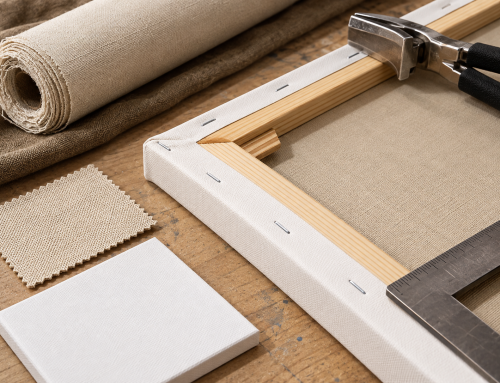
| Stretched Canvases | Heavy oils, acrylics, and mixed media | Triple-primed acid-free cotton or linen |
| Canvas Boards & Panels | Plein air painting, studies, and students | Rigid backing, warp-resistant, easy to transport |
| Art Journals & Pads | Watercolors, gouache, and sketching | Heavyweight, high-gsm paper that resists buckling |
Professional Brushes and Precision Mark-Making Tools
The right tool dictates the artist’s final execution. Your product line must include specialized, durable brushes designed to handle specific paint viscosities. For example, stocking high-quality brushes for watercolor paint requires soft, highly absorbent synthetic or natural hair, whereas rugged brushes for oil paint need stiff, resilient bristles to move heavy, thick color effectively. Similarly, offering dedicated brushes for acrylic paint ensures your customers have tools that maintain their spring and shape when used with fast-drying mediums.
Mediums, Solvents, and Varnishes for Surface Finishing
Chemical accessories are essential for artists looking to alter paint behavior or protect their finished work. This category drives consistent repeat purchases.
- Mediums:Products that adjust drying times, increase gloss, or add heavy textures to acrylics and oils.
- Solvents:High-purity, low-odor thinners and brush cleaners required for oil painting workflows.
- Varnishes:protective coatings available in gloss, satin, and matte finishes to shield artwork from UV rays and dust.
Curating Best-Selling Art Kits and Starter Palettes
Designing Practical Color Palettes for Beginners
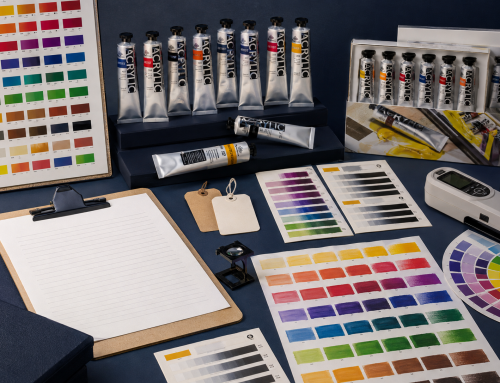
When building a retail product range, your starter palette needs to remove the guesswork for beginners. Instead of overwhelming new artists with dozens of individual oil colors or acrylics, we manufacture curated selections that focus on color-mixing essentials. A well-designed beginner kit should include primary colors, a few earth tones, and a large mixing white. By limiting the initial choices, you help new creators learn color theory without high upfront costs, establishing your brand as a helpful guide in their artistic journey.
Building Curated Bundles by Customer Segment
Different artists have vastly different needs, and your product line development should reflect that. We categorize our art kits based on clear user profiles to streamline the buying process:
- The Student/Hobbyist:Bundles containing affordable studio-grade paints, lightweight canvas boards, and reliable synthetic art brushes.
- The Plein Air Painter:Travel-friendly setups featuring compact gouache or watercolors, a pad of heavyweight paper, and short-handle multi-purpose brushes.
- The Fine Art Professional:Premium bundles focusing on heavy-body acrylics, archival painting surfaces, and specialized hog bristle brushes.
For creators looking for a versatile setup, a nylon multi-purpose acrylic starter set bridges the gap perfectly, offering the essential tools needed to work across various surfaces right out of the box.
The Secret to Creating High-Margin Gift Sets
Gift sets are a massive revenue driver, especially during holiday seasons. The secret to high margins lies in the presentation and perceived value. By combining standard fine art paints with essential mediums, solvents, and a custom mixing palette inside premium packaging, you create an all-in-one solution that commands a higher retail price point.
| Gift Set Component | Value Add for Customers | Margin Benefit for Brands |
| Custom Outer Box | Premium unboxing experience | Low production cost, high perceived value |
| Bundled Mediums | Introduces users to new techniques | Increases the overall cart value |
| Curated Brush Selection | Eliminates the need for separate sourcing | High-margin accessory integration |
Investing in targeted art store supplies and well-packaged kits allows your art brand to capture the lucrative gift-giving market while maintaining healthy profit margins.
Custom Product Development: Leveraging OEM & ODM Services
Building a standout art brand requires a reliable production partner. As a manufacturer of painting supplies, we help brands transition from generic items to proprietary, market-ready products that command premium pricing.
Understanding OEM vs. ODM for Art Supplies
Choosing the right manufacturing path depends on your brand’s development stage and technical resources:
- OEM Manufacturing (Original Equipment Manufacturer):You provide the exact product specifications, formulations, and branding blueprints. We handle the mass production according to your precise guidelines.
- ODM Process (Original Design Manufacturer):You bring the vision, and we handle the heavy lifting. We design, formulate, and manufacture the products based on your target market needs, allowing you to private-label proven, high-quality formulations.
Customizing Paint Formulas, Pigments, and Binders
The core value of your retail product range lies in the chemical behavior of the paints. Customization allows you to control the exact characteristics of your art materials sourcing:
| Component | Customization Options | Impact on Artist Experience |
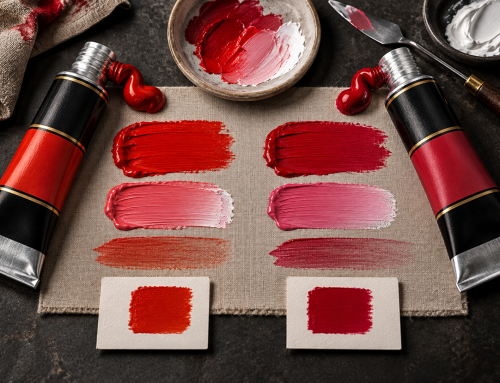
| Pigment Load | Single-pigment concentration vs. blended hues | Determines color purity, tinting strength, and lightfastness. |
| Binder Types | Modified acrylic emulsions or cold-pressed linseed oils | Controls drying times, gloss levels, and film flexibility. |
| Texture & Viscosity | Heavy body, fluid, or buttery consistency | Dictates brush stroke retention and mixing capabilities. |
Whether you are scaling production for professional artist acrylic colors or formulating a creamy student-grade gouache, matching the binder to the pigment ensures long-term stability and shelf life.
Sourcing Packaging, Tubes, and Outer Box Designs
Premium formulations require functional, attractive packaging to stand out on retail shelves and survive shipping logistics. We provide end-to-end customization for all product housing:
- Aluminum vs. Plastic Tubes:Aluminum preserves delicate fine art paints like traditional oil colors by preventing air exposure, while plastic squeeze tubes offer durability for student acrylics.
- Labeling and Branding:High-resolution printing directly on the tubes ensures that color charts, safety warnings, and your trademark protection logos remain legible over time.
- Outer Box Engineering:Custom-molded inserts prevent components from shifting during transit, protecting your art kits and starter palettes from damage before they reach the consumer.
Navigating Production, Quality Control, and Certification
Launching a complete range of painting supplies requires balancing regulatory compliance with manufacturing realities. To maintain your brand’s reputation and avoid costly legal hurdles, you must establish rigorous quality control protocols before mass production begins.
Essential Global Safety Certifications (ASTM, EN71)
Art supplies must meet strict safety standards to be sold in international retail markets. Compliance is non-negotiable for consumer safety and customs clearance.
- US Market:All fine art paints, including acrylics and watercolors, must carry the ASTM D-4236 certification, proving they have been evaluated by a toxicologist for chronic toxicity.
- EU and UK Markets:Products must achieve EN71 certification (specifically Part 3 for chemical migration) and carry the CE or UKCA mark, ensuring the art store supplies are safe for all age groups.
Understanding Minimum Order Quantities (MOQs) and Timelines
Managing cash flow and inventory relies heavily on understanding your manufacturer’s Minimum Order Quantities (MOQs) and production schedules.
- MOQ Expectations:For custom private label formulations or unique packaging, MOQs generally range from 3,000 to 5,000 units per color or SKU. Standard items like generic canvas boards often have lower thresholds.
- Production Timelines:Typical mass production cycles run between 45 to 60 days. This timeline excludes international shipping, which can add another 30 to 45 days depending on the freight method.
The Importance of Sampling and Prototype Testing
Never skip the prototyping phase. Requesting pre-production samples is the final line of defense against product defects.
Pro-Tip: Test your paint samples under extreme temperature conditions to evaluate shelf-life stability, and assess how your art brushes interact with the paint viscosity before signing off on the final production run.
| Stage | Key Focus | Action Item |
| Lab Sampling | Formula Accuracy | Test pigment load, drying time, and lightfastness. |
| Packaging Prototype | Durability & Fit | Verify that tubes do not leak under pressure and labels remain intact. |
| Golden Sample Approval | Benchmark | Retain an approved master sample to compare against the final delivery batch. |
Retail Readiness: Merchandising and Supply Chain Logistics
Shelf Display and Online Categorization Strategies
Launching a complete retail product range requires a seamless omnichannel presentation. In brick-and-mortar stores, products must be organized by medium and skill level to prevent customer confusion. Grouping fine art paints with their corresponding mediums and solvents encourages add-on purchases. For digital storefronts, intuitive navigation is essential. Categorize your catalog logically into clear sections like acrylics, watercolors, and oil colors. High-quality visual assets and clear product descriptions help artists quickly find the right tools, boosting conversion rates.
Ensuring Supply Chain Stability and Timely Delivery
Scaling your art store supplies requires a rock-solid logistics network. Moving from initial product line development to mass production demands tight coordination with your manufacturing partners. To prevent stockouts during peak seasons, establish clear lead times for shipping and maintain buffer stock for high-demand items like stretched canvases and basic art kits. Reliable supply chain management ensures your products arrive on retail shelves safely and on time, protecting your brand reputation.
Common Supply Chain Mistakes for Art Brands to Avoid
Many expanding art brands fail due to preventable logistical oversights. Avoid these common pitfalls to keep your operations running smoothly:
- Overlooking Private Label Regulations:Ensure all packaging complies with global labeling laws and features proper trademark protection.
- Underestimating Shipping Complexities:Liquid art materials, solvents, and heavy canvas boards require specialized handling and secure packaging to prevent transit damage.
- Mismanaging MOQ Demands:Ordering huge quantities to lower unit costs can backfire if capital gets tied up in slow-moving inventory. Balance your production volumes against actual market demand.
Related Posts