White is one of the most important colors in any artist paint range. It is used for highlights, color mixing, opacity control, value adjustment, and palette balance. For art brands, retailers, and paint distributors, choosing the right white is not only a technical decision. It affects product positioning, artist satisfaction, color chart design, and repeat purchases.
The two most common modern white pigments are Titanium White and Zinc White. They may look similar in a tube, but they behave very differently in mixtures. Understanding these differences helps brands build better oil paint, acrylic paint, and mixed media color ranges.
Quick Comparison: Titanium White vs Zinc White
| Feature | Titanium White | Zinc White |
|---|---|---|
| Common Pigment Index | PW6 | PW4 |
| Opacity | Very opaque | More transparent |
| Tinting strength | Very high | Low to moderate |
| Mixing effect | Quickly lightens and opacifies colors | Lightens more gently |
| Best for | Coverage, highlights, strong pastel mixes | Subtle mixing, glazing, delicate tints |
| Common use | Oil, acrylic, gouache, student and professional ranges | Oil and watercolor; also acrylic where transparency is useful |
For most general paint ranges, Titanium White is the essential white. Zinc White is more specialized and is often positioned as a mixing white or transparent white.
What Makes Titanium White Important?
Titanium White is usually made with titanium dioxide, identified in artist paint labeling as PW6. It is valued for its strong covering power, brightness, and high tinting strength.
For artists, this means a small amount can dramatically lighten another color. For brands, this makes Titanium White a necessary color in almost every starter set, professional color range, classroom kit, and retail assortment.
Titanium White is especially useful for:
- Strong highlights
- Opaque passages
- Alla prima painting
- Acrylic and oil paint sets
- Student-grade paint ranges
- Landscape, still life, and general painting
- Covering previous layers or adjusting value quickly
The main challenge is that Titanium White can overpower mixtures. If an artist adds too much, rich colors can become chalky or pastel very quickly. This is not a defect; it is a characteristic that should be explained in product education and color charts.
What Makes Zinc White Different?
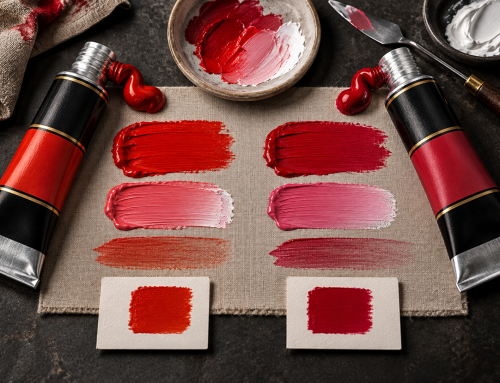
Zinc White is usually identified as PW4. Compared with Titanium White, it is more transparent and has lower tinting strength. Instead of quickly turning colors pale and opaque, Zinc White creates softer, more controlled shifts.
Zinc White is useful for:
- Subtle portrait mixtures
- Transparent color adjustments
- Glazing effects
- Softer highlights
- Delicate tints
- Artists who want slower, more controlled mixing
In oil painting, Zinc White is often discussed carefully because some artists and manufacturers consider paint film flexibility and formulation important. This does not mean Zinc White should be avoided entirely, but it does mean brands should use responsible formulation, accurate labeling, and clear product positioning.
Which White Should Be Used in Oil Paint Lines?
For oil paint product lines, Titanium White should usually be the primary white. It is familiar to artists, easy to explain, and necessary for most painting styles.
Zinc White can be added as a secondary or professional option. It should be positioned as a more transparent mixing white rather than a replacement for Titanium White.
Recommended oil paint white range:
| Product | Positioning | Best Buyer |
|---|---|---|
| Titanium White | Essential opaque white | Beginners, schools, general artists |
| Mixing White | Softer tinting white, often blended formulation | Hobby and professional artists |
| Zinc White | Transparent white for subtle mixes | Advanced oil painters |
| Warm White or Flake White Hue | Specialty white for traditional palettes | Professional and portrait painters |
For B2B buyers, the safest approach is to include Titanium White in all core sets and offer Zinc White or Mixing White in individual tubes or professional ranges.
Which White Should Be Used in Acrylic Paint Lines?
In acrylic ranges, Titanium White is also the main white because acrylic users often expect strong coverage. It works well for canvas painting, craft applications, school projects, and modern acrylic techniques.
Zinc White or Transparent Mixing White can still be useful for acrylic artists who want softer tints, glazing, or more control. However, it is less likely to be a beginner’s first white.
Recommended acrylic range:
- Titanium White for core sets and individual tubes
- Mixing White for larger color ranges
- Transparent White or Zinc White for advanced lines
- White gesso or primer as a related surface preparation product
How White Pigments Affect Color Charts
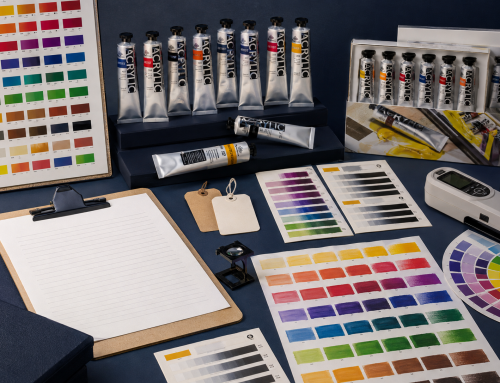
Color charts are one of the best ways to explain white pigment differences. Art brands should show:
- Full-strength masstone
- One-to-one mixtures with key colors
- Gradual tint scales
- Opacity over black lines
- Dry color comparison where possible
For Titanium White, the chart should show strong opacity and quick tinting. For Zinc White, the chart should show transparency and subtle value control.
This helps retailers answer customer questions and helps e-commerce buyers understand why two whites may both be useful.
Product Line Recommendations for Art Brands
If you are planning a paint range, do not treat all whites as interchangeable. Build the white category by use case.
For Beginner Sets
Use Titanium White. It gives immediate visible results and supports most painting techniques.
For Professional Oil Paint Lines
Include Titanium White and a more subtle mixing white. Add Zinc White if your audience understands pigment behavior and wants more control.
For Portrait or Figure Painting Sets
Offer Titanium White plus a softer white option. Portrait painters often value gentle tinting and controlled color shifts.
For Private Label Paint Sets
Make the white choice based on the product promise. A school set needs strong coverage. A professional mixing set may benefit from a more nuanced white.
Final Recommendation
Titanium White and Zinc White serve different roles. Titanium White is the essential, high-opacity white for most oil and acrylic paint ranges. Zinc White is a more transparent, subtle white for artists who want controlled mixing and delicate color shifts.
For art brands and distributors, the best strategy is not to choose one white for every purpose. Instead, design a white pigment range that matches the target market: beginner, school, professional, portrait, or private label.
Phoenix Art Materials can help buyers plan custom white paint ranges, color charts, and packaging for oil, acrylic, and artist paint lines.
FAQ
Is Titanium White better than Zinc White?
Titanium White is better for opacity, coverage, and strong tinting. Zinc White is better for subtle, transparent mixing. The better choice depends on the painting style and product line.
What is the pigment index for Titanium White?
Titanium White is commonly labeled PW6.
What is the pigment index for Zinc White?
Zinc White is commonly labeled PW4.
Which white should be included in beginner paint sets?
Titanium White is usually the best choice for beginner paint sets because it is opaque, bright, and easy to use.
Related Posts