NEWS
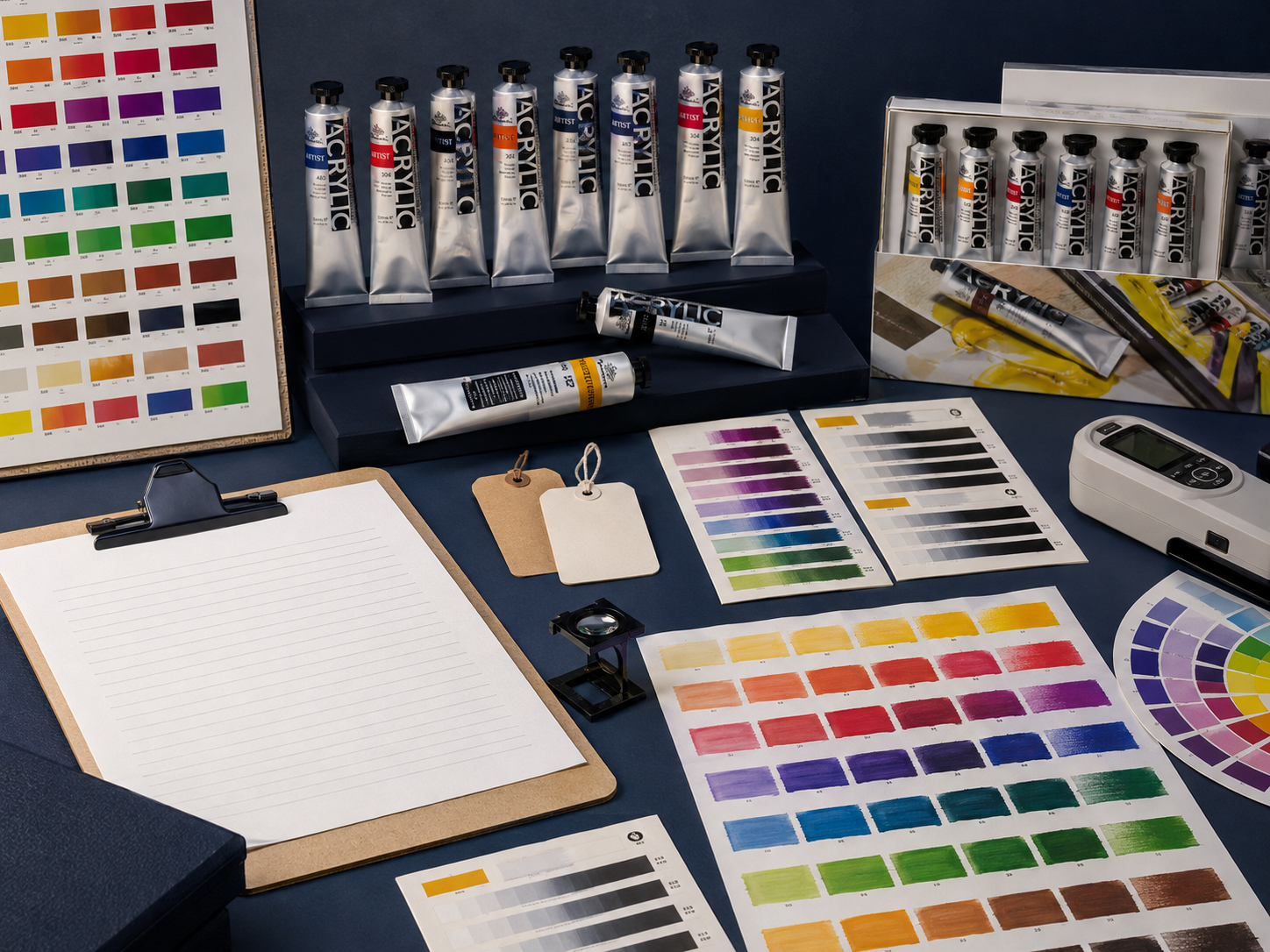
Acrylic Paint Color Chart: A Buyer’s Technical Checklist
An acrylic paint color chart should help a buyer verify what each colour is, how it behaves when applied and whether the information remains consistent across samples, labels, sets and repeat orders. A screen swatch or printed colour chip can support early selection, but neither is a substitute for dried paint films and controlled sample
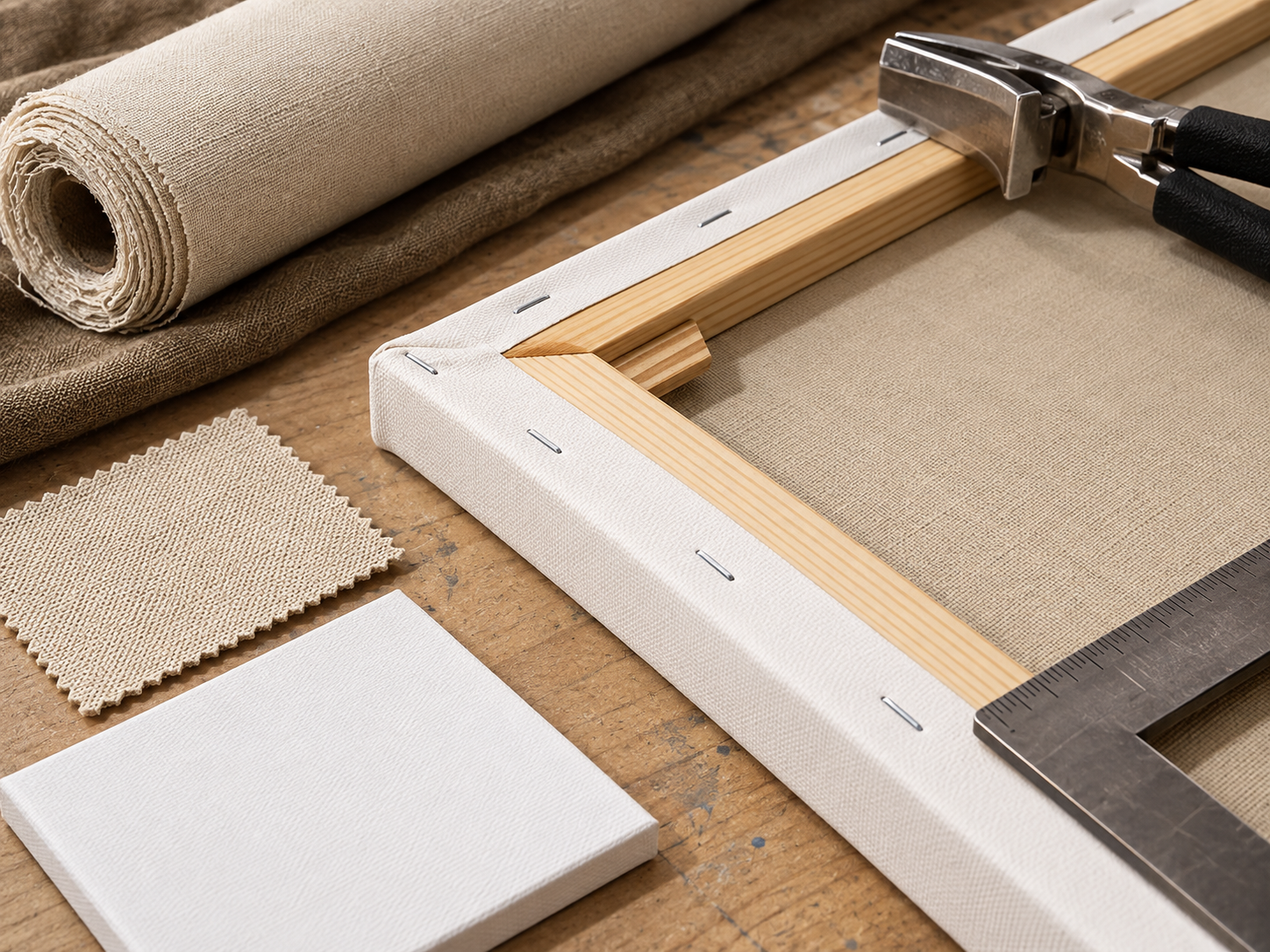
How to Evaluate Stretched Canvas Construction: Frame, Tension, Fabric and Ground
A stretched canvas is a system, not simply cloth attached to wood. The frame must remain square, the fabric must carry balanced tension, the corners must be secure, and the ground must create a consistent painting surface. Weakness in any one layer can affect how the product handles, stores and performs. The most useful evaluation

How to Pack Stretched Canvas for Storage and Export Shipping
Good stretched-canvas packaging protects four vulnerable areas: the prepared face, the corners, the wooden frame and the tensioned fabric. A carton that looks tidy may still fail if products rub, shift, take concentrated corner loads or absorb moisture during storage and transit. The right packaging system depends on product size, pack quantity, route, handling method
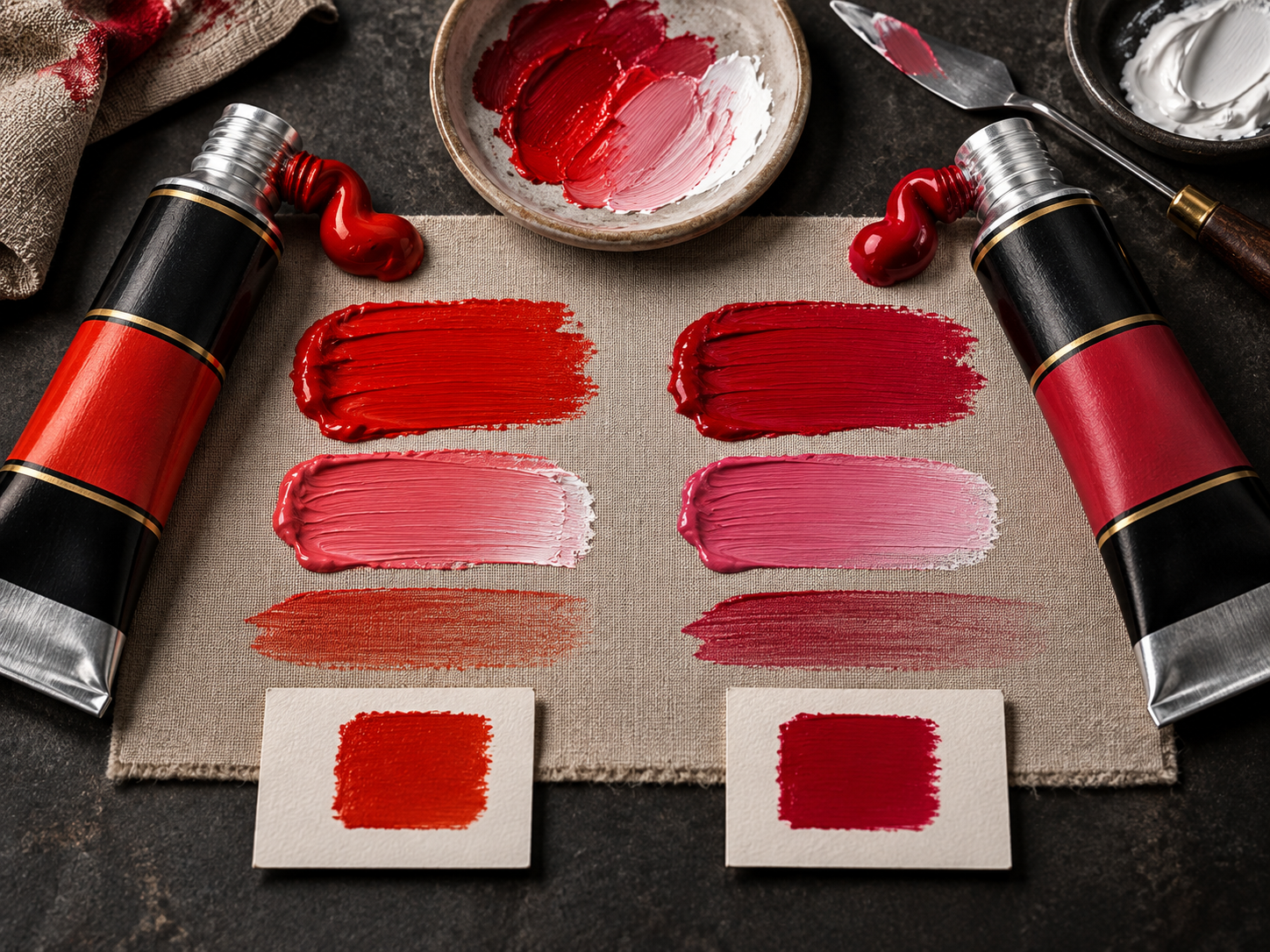
Cadmium Colours and Cadmium Hues: What Paint Buyers Should Verify
Cadmium colour and cadmium hue are not interchangeable formula descriptions. A genuine cadmium red commonly uses a cadmium pigment such as PR108. A paint labelled Cadmium Red Hue uses another pigment or combination intended to occupy a related colour position. The word hue describes a colour match or alternative formulation; it does not identify one
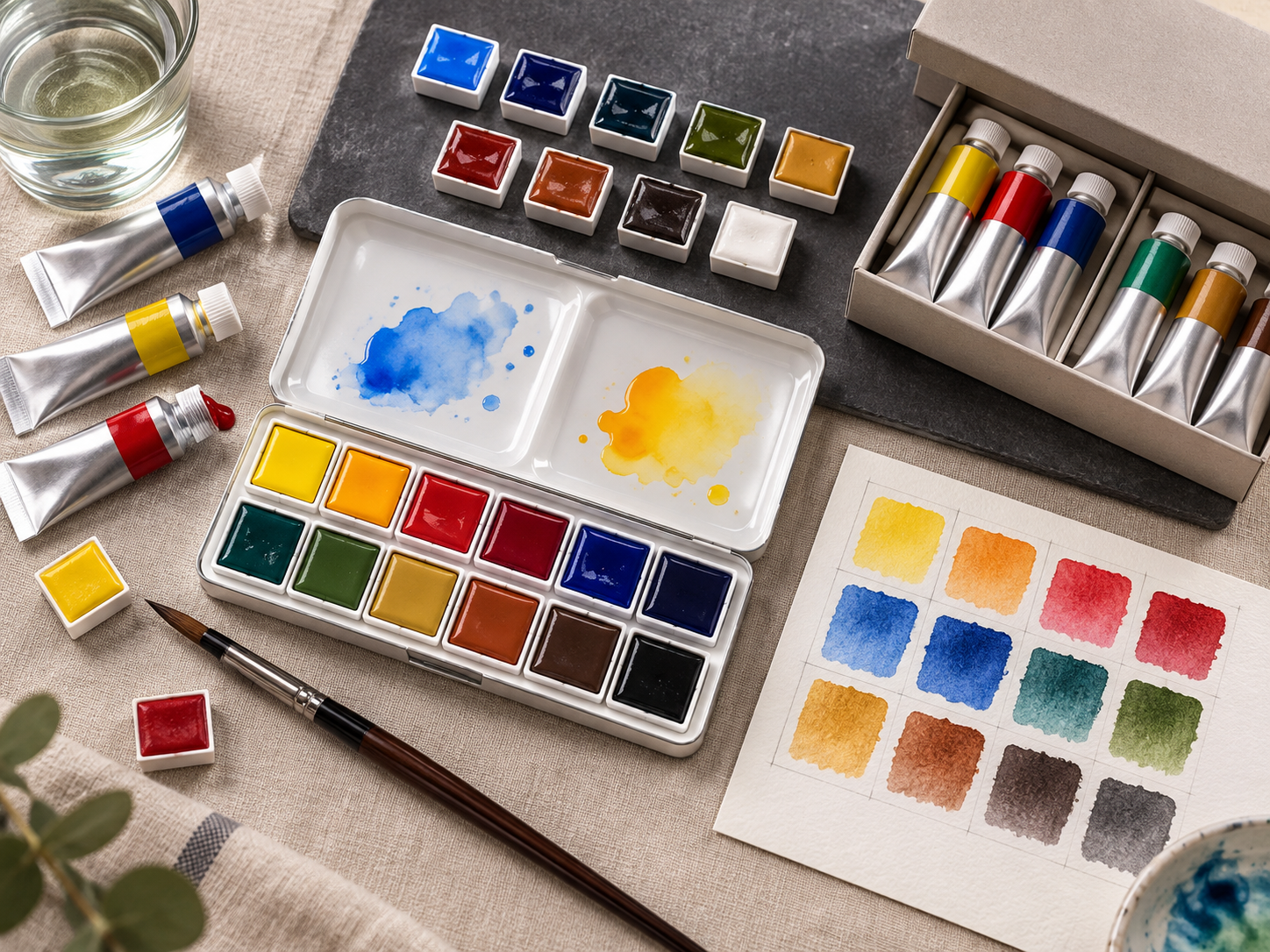
How to Plan a Watercolor Paint Set for Retail and Education
A useful watercolor paint set is not defined by colour count alone. It needs a workable mixing structure, a format appropriate to the user, clear colour information and a realistic path for teaching or replenishment. Three colours can demonstrate primary mixing. Six can add warm and cool options. Larger sets can reduce mixing steps or

From Product Brief to Bulk Order: An Art Supplies Development Workflow
An art-supplies product should not move directly from inspiration to packaging artwork. Paint, canvas and tool programmes contain interacting decisions: user, medium, performance, format, colour or surface range, label, market documentation, case pack and quality acceptance. A controlled workflow reduces ambiguity by creating one approved reference at each stage. The essential sequence is: commercial brief
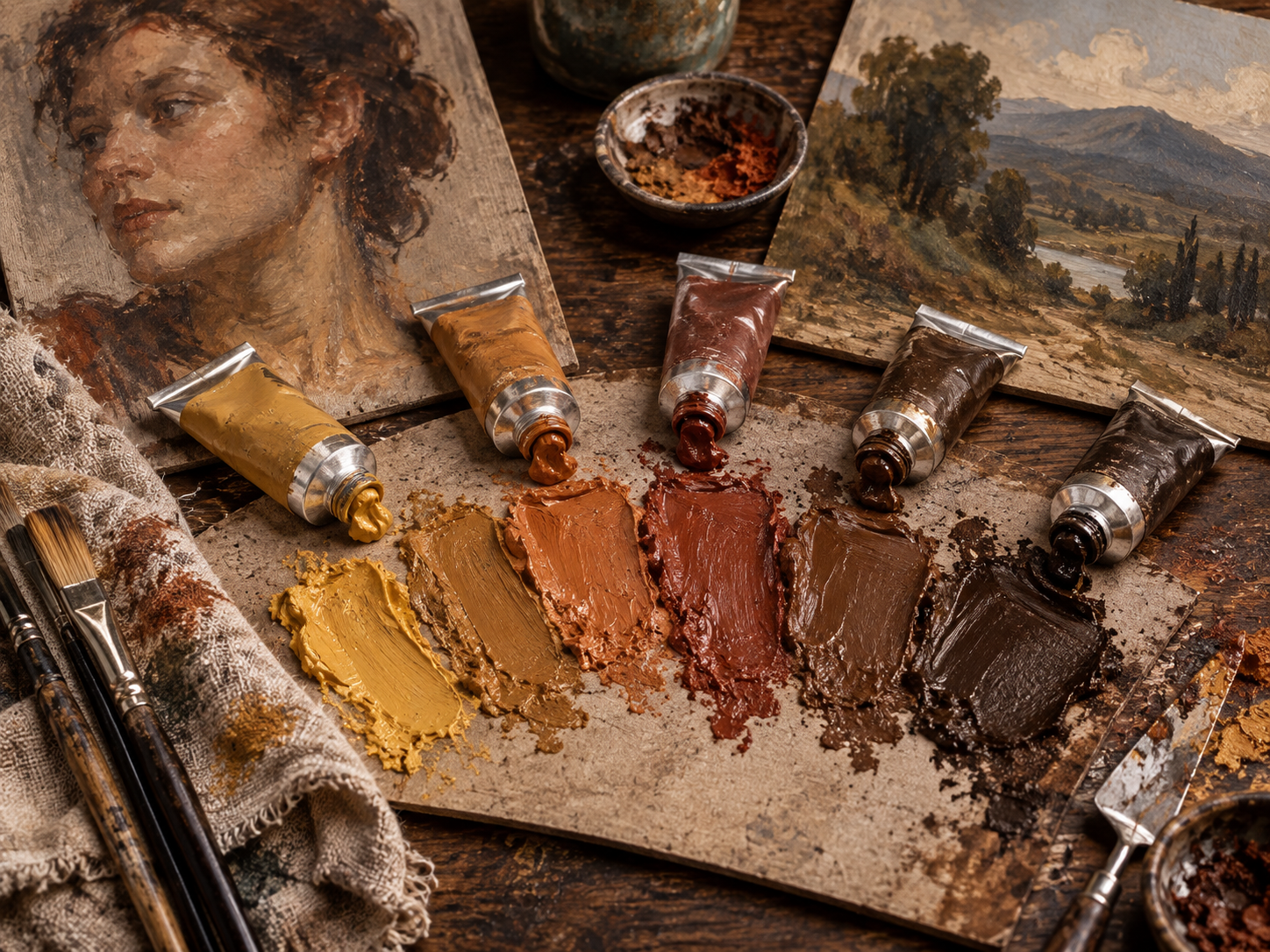
Why Earth Colours Matter in Portrait and Landscape Paint Ranges
Earth colours are not merely muted alternatives to brighter paints. Ochres, siennas, umbers and red earths give artists economical ways to control value, temperature and chroma. They can establish a warm ground, moderate a vivid mixture, build skin and hair colours, and create natural landscape greens without forcing every mixture toward black. For a paint
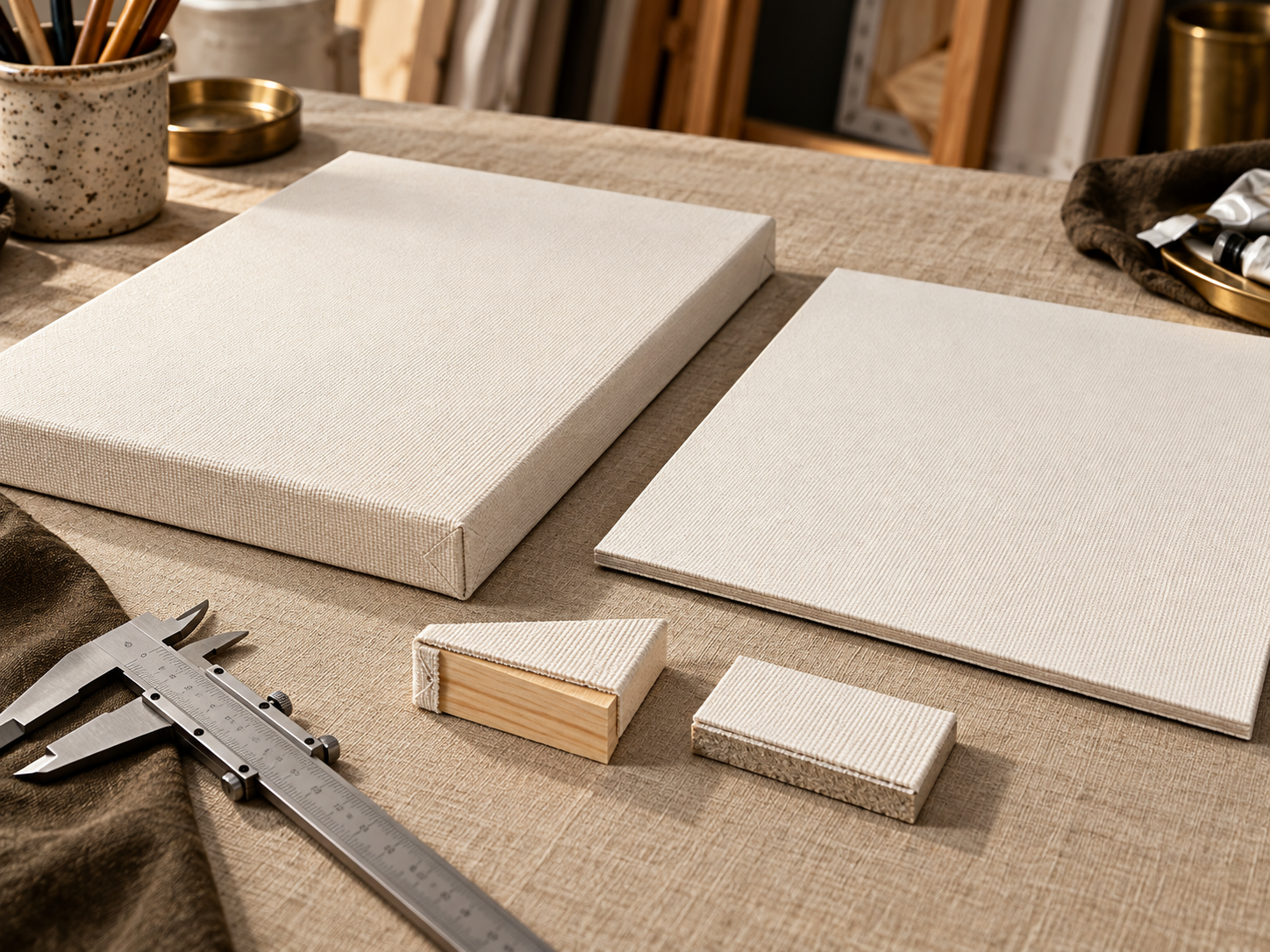
Canvas Panel vs Canvas Board: Core, Surface and Performance Compared
The terms canvas panel and canvas board are often used as if they mean exactly the same thing. In practice, both describe a rigid painting support made by bonding canvas to a firm core, but the edge construction may differ. A canvas panel commonly has fabric wrapped around the sides and secured at the back;
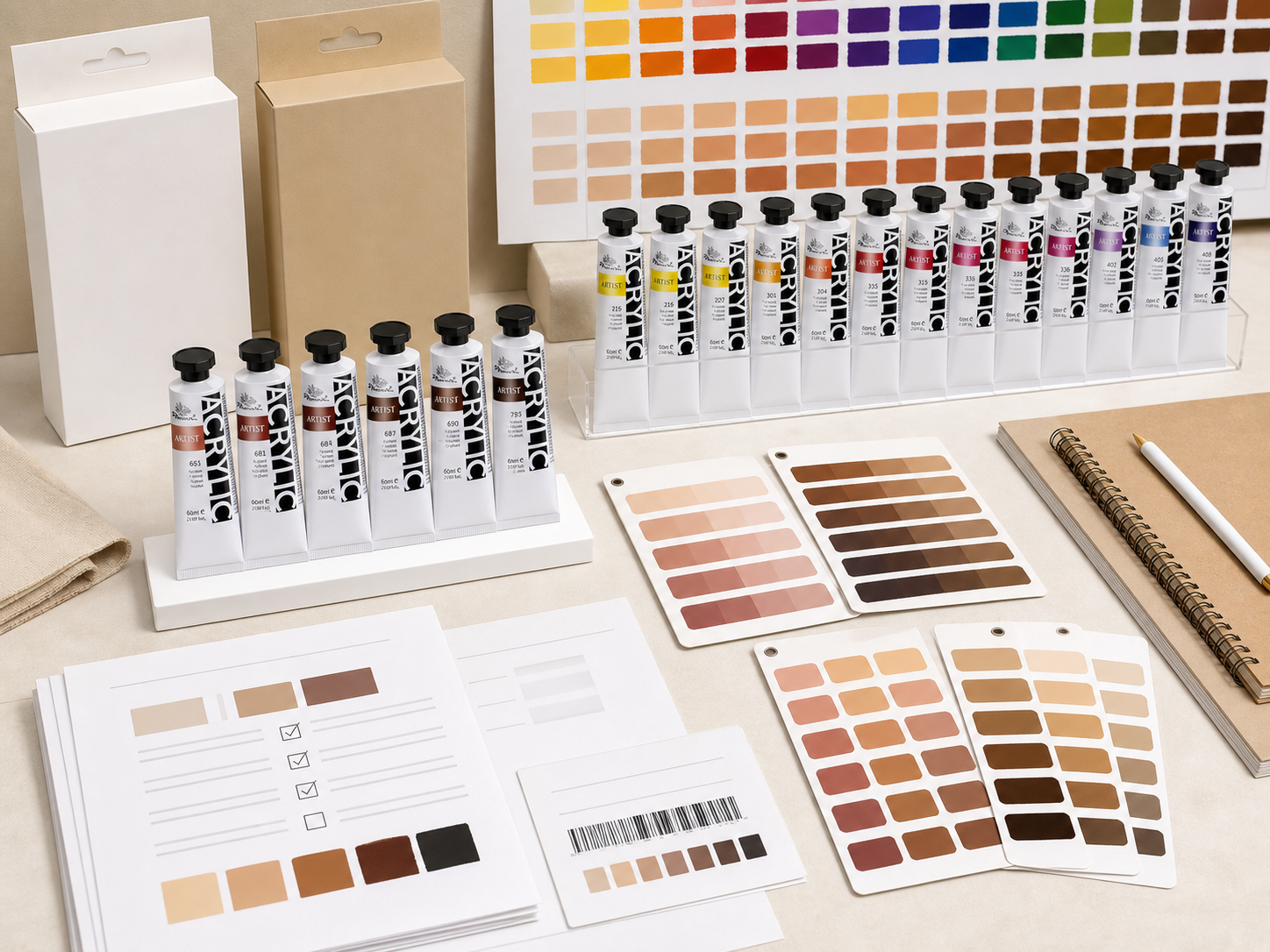
Planning an Acrylic Skin-Tone Paint Range for Wholesale
An effective wholesale acrylic paint programme for portrait use should do more than place several beige and brown tubes in a box. Its skin-tone range should give the intended user a workable path across value, undertone, temperature and chroma, while giving the buyer clear colour data, repeatable samples, appropriate packaging and a replenishment plan. For
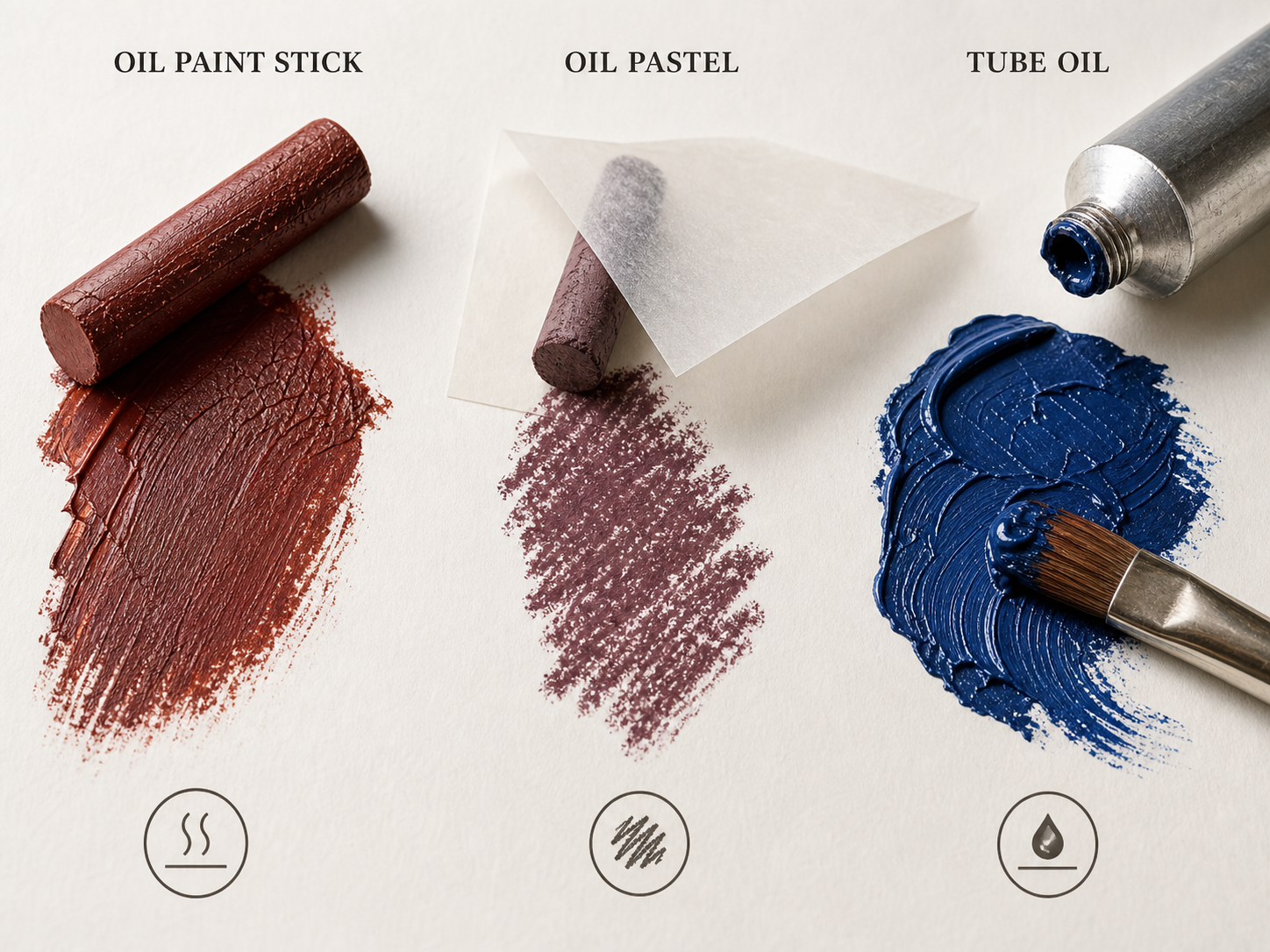
Oil Paint Stick, Oil Stick or Oil Pastel? Materials, Drying and Terminology Explained
An oil paint stick is oil paint formulated in a solid, hand-held format, commonly using pigment, a drying oil and enough wax to hold its shape. An oil pastel generally uses a non-drying oil-and-wax system and does not form the same type of drying oil paint film. The tools can look similar, but their binder