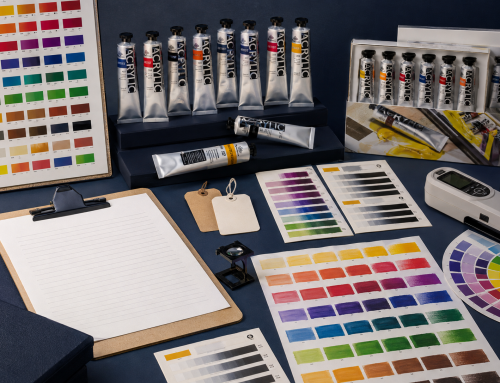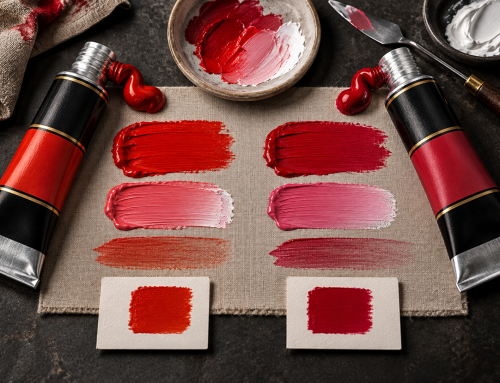
Acrylic painting is one of the most flexible categories in the art materials market. It serves beginners, schools, hobby painters, craft users, studios, and professional artists. For art brands and distributors, acrylic products are especially suitable for OEM and private label development because they can be built into sets, tubes, bottles, classroom kits, medium ranges, and complete painting programs.
The most successful acrylic product lines do not stop at paint colors. They include acrylic mediums that help artists change texture, flow, finish, drying behavior, and transparency. This creates a richer product range and gives retailers more reasons to build repeat sales.
This guide explains how to plan acrylic mediums and paint sets for OEM and private label art supplies.
Why Acrylic Is Strong for Private Label
Acrylic paint is popular because it is water-based, fast-drying, versatile, and suitable for many surfaces. It can be used on canvas, paper, wood, boards, crafts, and mixed media projects.
For private label brands, acrylic has several advantages:
-
Easy to position for beginners and schools
-
Strong demand in retail and e-commerce
-
Wide range of colors and set sizes
-
Compatible with many accessories
-
Works well in gift kits and classroom packs
-
Can expand into mediums, varnishes, gesso, and tools
This makes acrylic a natural starting point for brands that want to build a full painting supplies range.
Start With Acrylic Paint Sets
Acrylic paint sets are the foundation of most private label programs. They are easy to package, easy to explain, and suitable for multiple price points.
Common OEM acrylic set options include:
| Set Type | Typical Use | Channel |
| 6-color set | Basic classroom or craft use | Schools, promotions |
| 12-color set | Beginner painting | Retail, e-commerce |
| 24-color set | Hobby and gift market | Online stores, art retailers |
| 36-color set | Higher perceived value | Gift sets, marketplaces |
| Large tube set | Studio and heavy use | Art schools, workshops |
| Acrylic painting kit | Paints, brushes, canvas, palette | Retail bundles |
Set planning should match the target customer. A school set needs durability and value. A gift set needs attractive packaging. A professional-style set needs stronger color story and better product information.
Add Acrylic Mediums to Expand the Range
Acrylic mediums modify the behavior of acrylic paint. They are important for brands that want to move beyond entry-level paint sets and build a more professional acrylic category.
Useful acrylic mediums include:
| Medium | Function | Product Positioning |
| Gloss medium | Increases gloss and transparency | Color brilliance and glazing |
| Matte medium | Reduces shine and extends color | Soft finish and modern painting |
| Gel medium | Adds body and texture | Impasto and texture effects |
| Flow medium | Improves flow | Detail work and smooth application |
| Retarder or slow-drying medium | Extends working time | Blending and studio painting |
| Pouring medium | Supports fluid art | Craft, hobby, and social content |
| Modeling paste | Builds raised texture | Mixed media and professional use |
For OEM projects, brands can start with gloss medium and matte medium, then expand into gel, pouring, and texture products as the range grows.
Plan Product Positioning by Skill Level
Acrylic products should be structured by user level.
Beginner Range
Focus on simple color sets, basic brushes, small canvases, and easy instructions. Mediums may be limited to one gloss medium or no medium at all.
Hobby Range
Add larger color sets, better brushes, palette knives, canvas panels, and gloss or matte medium.
Studio Range
Include individual tubes or bottles, larger volumes, mediums, gesso, varnish, and surface options.
Professional-Inspired Range
Use stronger pigment claims, better color charts, texture mediums, and more detailed labeling.
This structure helps wholesalers avoid confusing customers with too many products at once.
Packaging Choices for OEM Acrylic Products
Packaging is a major part of private label success. Acrylic products can be packed in tubes, jars, bottles, pots, or boxed sets.
Packaging options include:
-
Small tubes for starter sets
-
Larger tubes for retail and studio use
-
Bottles for classroom and craft channels
-
Jars for mediums and gels
-
Wooden or cardboard gift boxes
-
Custom printed retail cartons
-
Multi-pack cartons for wholesale
Labels should clearly show color name, volume, use, safety information, and brand identity. For mediums, the label should explain what the product changes: gloss, flow, body, transparency, drying time, or texture.
Color Range Planning for Acrylic Sets
Acrylic set colors should be useful and visually attractive. The first range should include primary colors, secondary colors, earth colors, black, and white.
Recommended 12-color acrylic set:
-
Titanium White
-
Lemon Yellow
-
Medium Yellow
-
Vermilion or Red
-
Crimson
-
Ultramarine Blue
-
Phthalo Blue
-
Sap Green
-
Burnt Sienna
-
Burnt Umber
-
Black
-
Violet or Orange
For larger sets, add metallics, portrait colors, pastel shades, fluorescent colors, or landscape colors depending on channel demand.
OEM Development Process
Acrylic OEM projects are easier when the process is clear.
Typical steps:
-
Define the target channel and price point
-
Choose paint format, set size, and volume
-
Select colors and mediums
-
Confirm packaging style and branding
-
Review MOQ and lead time
-
Develop samples
-
Test color, consistency, drying, and packaging
-
Approve artwork and production details
-
Produce bulk order
-
Plan reorder and range expansion
For private label buyers, sample testing is important. Check color brightness, consistency, drying behavior, tube sealing, label quality, and carton strength before confirming bulk production.
Questions to Ask an OEM Acrylic Supplier
Before starting an OEM acrylic project, ask:
-
What set sizes and tube volumes are available?
-
Can colors be customized?
-
Are gloss, matte, gel, or pouring mediums available?
-
What is the MOQ for private label packaging?
-
Can packaging be customized for retail or e-commerce?
-
What safety standards and documents are available?
-
What is the sample lead time?
-
Can the supplier support repeat orders and range expansion?
These questions help buyers avoid mismatches between product idea, budget, timeline, and market needs.
Final Recommendation
Acrylic paint sets are a strong starting point for OEM and private label art supplies, but acrylic mediums make the category more valuable. By adding gloss medium, matte medium, gel medium, flow medium, and related tools, art brands can create a complete acrylic painting range rather than a simple color set.
Phoenix Art Materials can support acrylic OEM projects, private label paint sets, acrylic mediums, packaging development, and wholesale product planning for art brands and distributors.
FAQ
What acrylic products are suitable for private label?
Acrylic paint sets, individual acrylic tubes, acrylic mediums, pouring medium, gels, gesso, varnish, brushes, canvas, and painting kits can all be developed for private label programs.
What acrylic mediums should a brand start with?
Most brands can start with gloss medium and matte medium, then add gel medium, flow medium, pouring medium, and modeling paste as demand grows.
What is the difference between gloss medium and matte medium?
Gloss medium increases shine and can enhance color depth. Matte medium reduces shine and creates a softer, less reflective finish.
Why add mediums to an acrylic paint line?
Mediums increase the creative uses of acrylic paint and help brands build a more complete, professional product range.
Related Posts