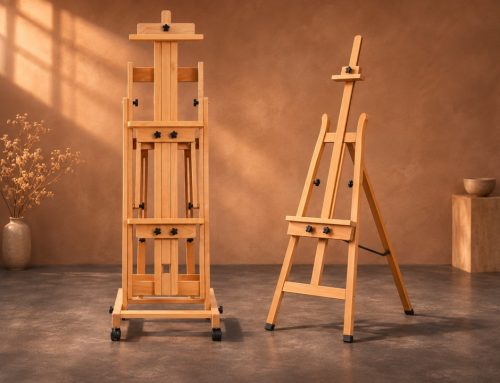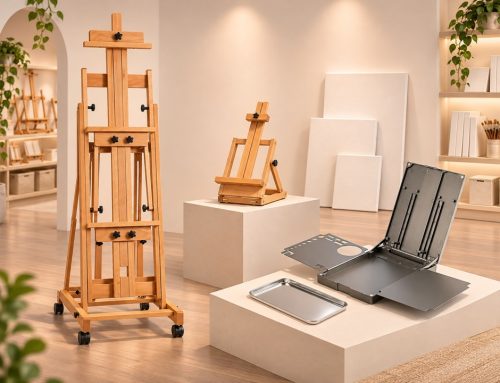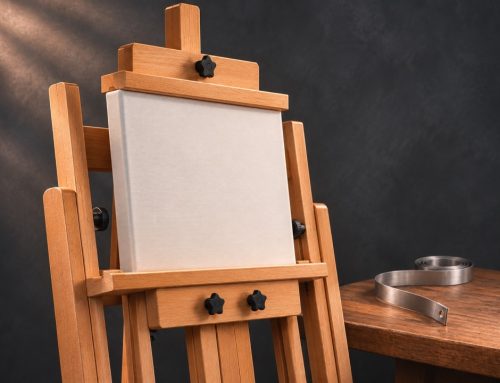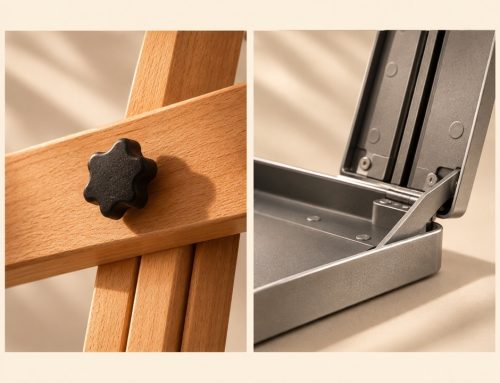
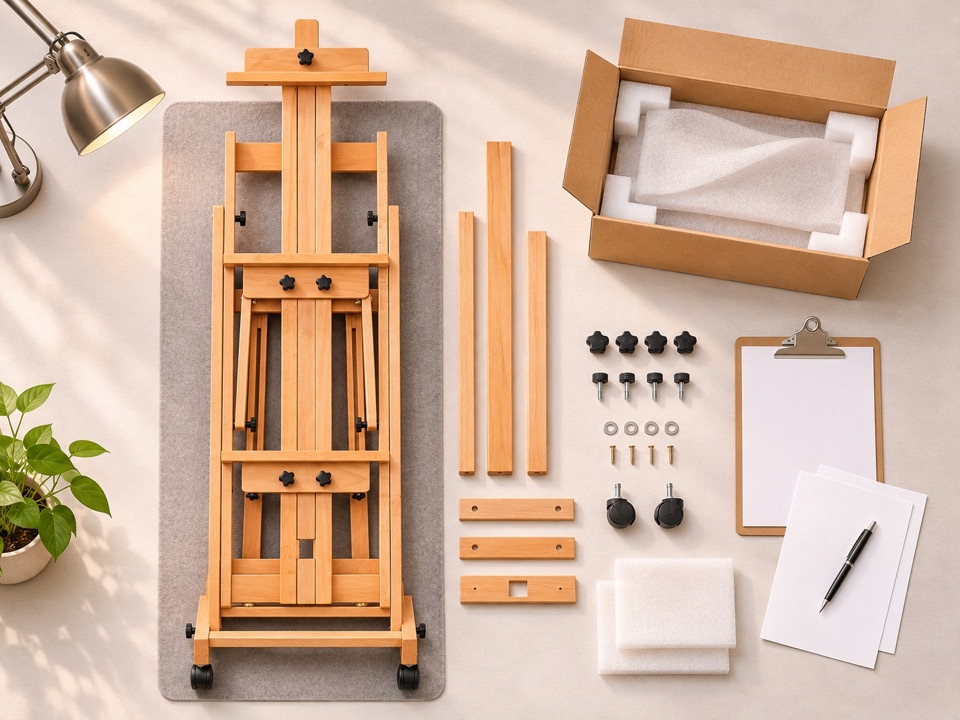
Approve an easel sample against the model, carton contents, assembly instructions and working requirements that will apply to the order. An assembled display sample may look right without showing how the product arrives, whether the hardware can be identified, or whether the buyer can repeat the setup with the materials in the carton.
Review one carton from opening to first use
| Stage | Buyer check | Evidence to record |
|---|---|---|
| Identify the sample | Match the model and revision to the quote, drawing and pack list | Model ID, revision and packaging photos |
| Open the carton | Look for exposed contact points, loose hardware and damage | Position of protection and carton contents |
| Build from the instructions | Match parts, hardware and orientation to the supplied guide | Unclear steps, mismatched parts or unlisted tools |
| Verify working positions | Check the agreed movement, fit and lock functions within the stated limits | Support used, settings, observed results |
| Close the review | Decide which defects require correction and which materials need revision | Owner, corrective action and sign-off status |
If possible, use a representative sample in the intended packaging and have someone assemble it using only the instructions provided. Record unresolved discrepancies. This is a practical buyer check, not a substitute for a formally agreed transport, load or durability test.
Treat the instructions as part of the product
Check that diagrams identify left and right parts where it matters, use the same hardware names as the packing list, and show the final locking or tightening checks for that model. A video can clarify an awkward angle, but the printed or downloadable guide should still make sense if a scan code or video cannot be opened.
The Phoenix W14A assembly video shows an example of model-specific support content. It should not be used as a manual for a different easel or taken as evidence of the materials included in any B2B carton.
Agree on packaging and after-sales information before sign-off
Ask which parts are individually protected, how hardware is contained, and whether sharp fittings can contact finished surfaces during handling. Confirm the unit and case packing, carton markings and the resources available to help identify missing or damaged parts. If retail packaging or local-language instructions are required, specify the exact version when the sample is approved.
Open items belong in the sign-off record. For instance, if the frame passes but the hardware bag tears in the sample carton, record the packaging correction and decide how the corrected sample will be verified. Do not let approval of the frame silently become approval of the whole pack-out.
Frequently asked questions
Can a buyer approve from a video alone? A video helps review the documented procedure but does not show exactly what your sample will contain or how the intended configuration feels in use.
Should a packaging change reopen approval? Recheck the affected items. Changes to protection, hardware bags, instructions or carton markings may matter even if the frame design has not changed.
Prepare the sample request
Identify the model in the Phoenix easel collection and ask about a sample and its supporting documents. Include your target model, intended configuration, channel and any specific packaging requirements.
Related Posts