An Artist Easel is more than a stand for holding a canvas. It helps create a stable, comfortable space where the artist can focus on line, colour, texture, and composition. By lifting the painting surface from the table to eye level, an easel makes it easier to step back, compare proportions, and see the whole artwork as it develops.
The idea of the easel has a long history. One of the earliest known images of easel use appears in an ancient Egyptian relief from the Fifth Dynasty, around 2465–2323 BC. Since then, the painting stand has evolved into many forms, from studio easels and field easels to tabletop easels, display easels, and adjustable canvas supports.
A well-chosen Artist Easel also affects the body. The right height and tilt can reduce strain on the neck, shoulders, and back during long painting sessions. A steady canvas holder limits shaking, which supports cleaner brushwork and better control.
For beginners, a reliable Artist Easel builds confidence. For professional artists, it improves workflow and protects the quality of the finished work. This is why choosing the right easel is not just a buying decision, but a creative investment.
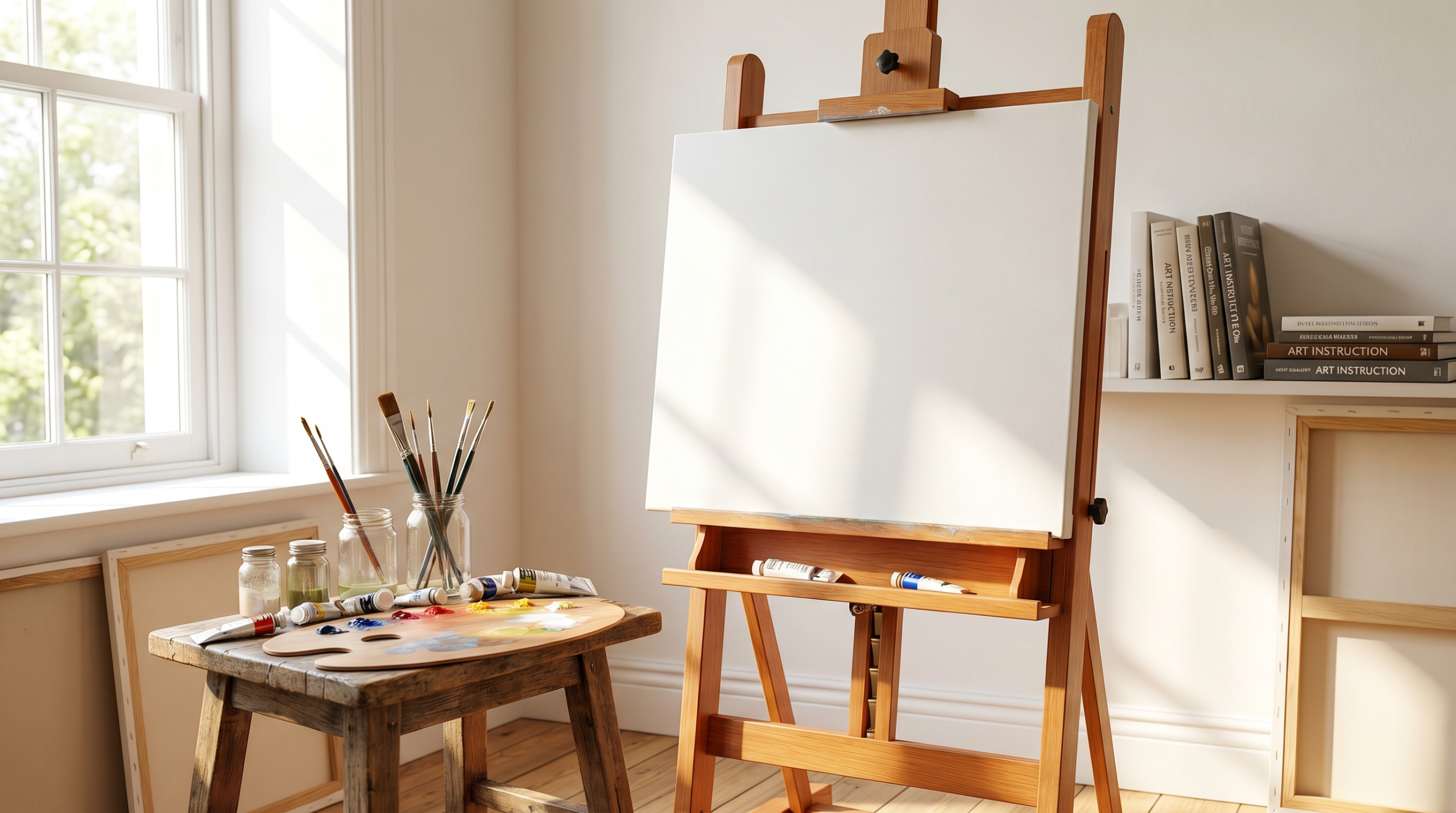
How an Artist Easel Works: Structure, Adjustment, and Materials
An Artist Easel works by combining balance, support, and adjustability. Its main job is to hold the canvas steady while allowing the artist to work at a comfortable height and angle. A good painting stand should not wobble, slide, or force the artist into an awkward posture.
Support Structure and Adjustment
Most easels use a front support, a rear leg or frame, and a canvas tray. Together, these parts create a stable triangle or rectangular frame. This structure spreads the weight of the canvas and keeps the working surface secure.
Height adjustment lets artists raise or lower the canvas to match their eye level. Angle adjustment is equally important. A more upright position is useful for oil and acrylic painting, while a flatter angle may suit watercolour, sketching, or detailed work.
Common Easel Materials
The material of an Artist Easel affects its weight, strength, durability, and ideal use. Wooden easels often feel solid and professional, especially in a studio. Metal easels are usually lighter and easier to carry. Hybrid easels combine both advantages for artists who need strength and portability.
| Material | Best For | Main Advantage |
| Wood | Studio painting, large canvas work | Stable, durable, traditional feel |
| Metal | Outdoor painting, classes, travel | Lightweight and portable |
| Hybrid | Flexible studio and field use | Balance of strength and mobility |
Why Material Matters
A heavy wooden Artist Easel can support larger canvases and long painting sessions. A metal field easel is better for outdoor sketching or plein air work because it folds quickly and travels well.
Choosing the right canvas support is about matching the material to your space, medium, and painting habits. For Phoenix Art Materials, this is also where careful manufacturing matters: stable joints, smooth adjustment, and reliable finishing all help the easel perform better over time.
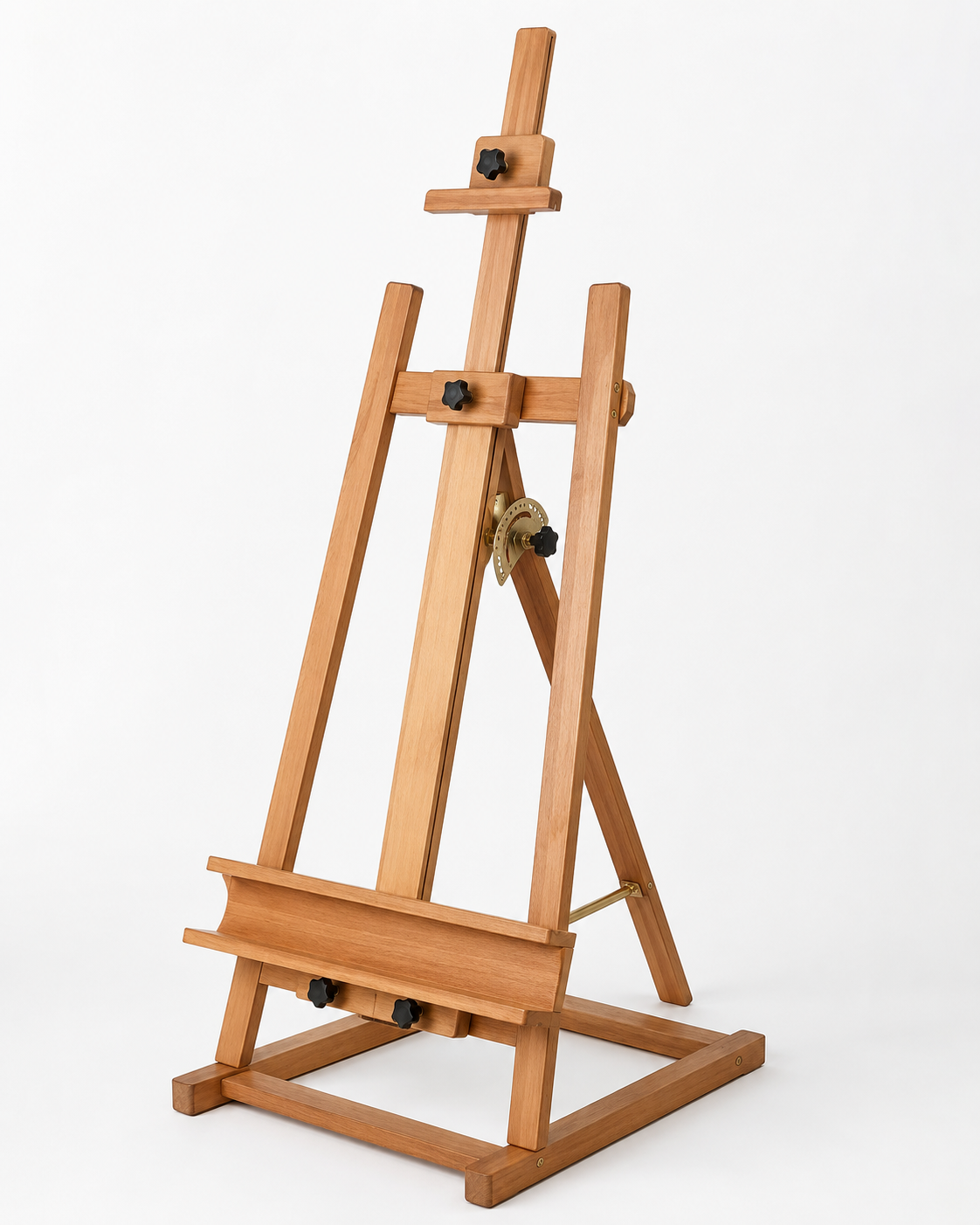
Artist Easel Types Explained: Studio, Lyre, Tabletop, Box, and Field Easels
Choosing the right Artist Easel starts with understanding how each easel type works. Some are built for large studio paintings. Some are designed for compact rooms. Others are made for travel, classes, plein air painting, or small-format studies.
There is no single best easel for every artist. The better question is: which painting stand fits your space, medium, canvas size, and working rhythm? Below is a practical comparison of the most common easel styles.
Studio Easels: Stable Support for Larger Works
A studio easel is designed for artists who work indoors and need strong, steady support. It usually has a larger frame, a wider base, and a more solid vertical structure than portable easels. This makes it suitable for stretched canvas, canvas panels, and larger painting surfaces.
For oil and acrylic painters, stability is a major advantage. A heavy-duty studio Artist Easel keeps the canvas in place when you apply pressure with brushes, palette knives, or thicker paint layers. It also allows artists to step back often, which helps with proportion, colour balance, and overall composition.
Studio easels are best for artists who have a fixed workspace. They are not the easiest option to move, but they give excellent control during long painting sessions. If you often paint medium to large canvases, this type of easel is usually a strong investment.
Phoenix’s Studio Easel is a good example of this category. The official product information lists beech wood as the material, with a reference size of 51.4 × 61 × 185 cm, making it suitable for studio-based painting and more stable indoor work.
Compared with lighter sketching easels, a studio easel offers better structure, a more professional feel, and stronger canvas support. For artists who care about durability and consistent performance, Phoenix’s manufacturing focus on material selection, finishing, and quality control adds extra value.
A-Frame / Lyre Easels: Lightweight, Simple, and Space-Friendly
A-Frame easels, also called lyre easels, are popular because they balance stability with a lighter structure. Their triangular frame gives good support while using less space than many full studio easels. This makes them useful for home studios, classrooms, art clubs, and smaller creative corners.
This type of Artist Easel is especially suitable for beginners and intermediate artists. It is easier to set up, easier to move, and usually more affordable than large studio models. The shape also looks clean and traditional, so it can work as both a painting easel and a display easel.
A lyre easel is not usually the best choice for very large or very heavy canvases. However, for small to medium paintings, sketching, acrylic work, and general practice, it offers enough support without taking over the room. Artists who paint in apartments or shared studios often find this style practical.
Phoenix’s Lyre Easel uses beech wood and has a listed reference size of 51.5 × 51.5 × 139 cm. This makes it a compact wooden easel option for artists who need a reliable frame but do not have space for a larger studio model.
The main advantage of this Artist Easel type is flexibility. It gives the artist a more upright working angle than a table surface, while still being easy to place, fold, or reposition. For many small-space artists, it is the most balanced choice.
Tabletop and Box Easels: Compact Tools for Small-Scale Painting
Tabletop easels and box easels are made for artists who want a compact working setup. Instead of standing on the floor, they sit on a desk, table, or studio bench. This makes them ideal for small paintings, studies, colour tests, illustration work, and casual practice.
A tabletop Artist Easel is useful when space is limited. It can turn almost any flat surface into a painting area. For students, hobby artists, and home-based painters, this is a practical way to build a neat creative corner without buying a large studio setup.
Box easels add another layer of function. Many designs include storage space for brushes, paints, palettes, or small panels. This makes them suitable for artists who want to keep materials organized. Some box easels can also be carried outdoors, depending on their size and structure.
Phoenix offers several table easel options on its easel page, and one listed Table Easel uses beech/pine wood with a reference size of 28 × 33 × 76/90 cm. This compact format is suitable for desktop painting and small-space use.
For artists who create small works or paint in short sessions, this type of Artist Easel is efficient and easy to store. It may not replace a heavy studio easel for large canvases, but it is excellent for daily studies, small oil sketches, acrylic practice, and display use.
Field and Pochade Easels: Portable Choices for Outdoor Painting
Field easels and pochade easels are designed for mobility. They are commonly used for plein air painting, travel sketching, outdoor studies, and art classes. The main goal is simple: carry your painting setup easily and work wherever inspiration appears.
A field Artist Easel is usually lightweight, foldable, and quick to assemble. It may use wood, aluminium, or a mixed structure. These easels are helpful for landscape painters because they allow artists to respond directly to light, weather, and changing colour conditions.
Pochade easels are even more compact. Many combine a small painting support with storage for panels, paints, or accessories. They are often used for oil sketches, colour studies, and fast outdoor compositions. For artists who like to travel light, a pochade box can feel like a mini studio.
Phoenix’s Aluminum Alloy Pochade Box Pro is positioned around mobility, with product wording such as “Painting without limits” and “Carry your studio everywhere.” The official page also lists its weight as only 1.5 kg and its reference size as 18.5 × 25 × 3 cm. Phoenix also offers a Deluxe French Style Box Easel made from North American boxwood, with a listed reference size of 52 × 23 × 63 cm.
Compared with indoor easels, this Artist Easel category gives up some maximum stability in exchange for portability. It is best for artists who value movement, fresh observation, and a lighter painting routine.
Quick Comparison: Which Artist Easel Type Should You Choose?
| Easel Type | Best For | Main Strength | Limitation |
| Studio Easel | Large canvases, oil and acrylic painting, fixed studios | Strong support and professional stability | Needs more floor space |
| A-Frame / Lyre Easel | Beginners, small studios, medium canvases | Lightweight, simple, space-saving | Less suitable for very large works |
| Tabletop Easel | Small paintings, studies, home desks | Compact and easy to store | Limited canvas size |
| Box Easel | Organized indoor painting or travel painting | Storage plus painting support | Can be heavier than simple tabletop easels |
| Field / Pochade Easel | Outdoor painting, plein air, travel | Portable and fast to set up | Less stable than heavy studio easels |
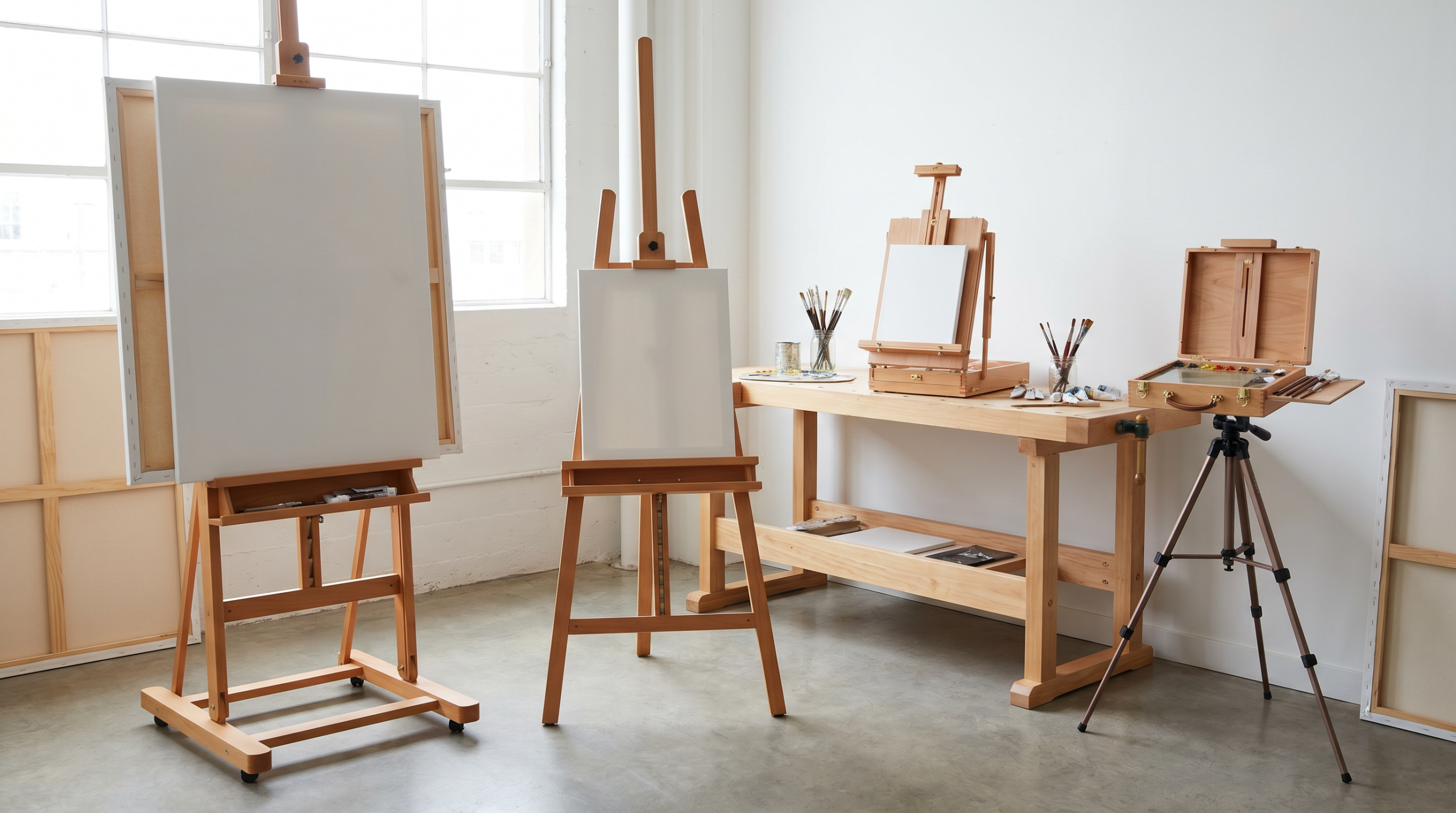
Choosing an Artist Easel Based on Medium and Style
Different painting mediums demand different Artist Easel setups to optimize comfort and results.
Matching Easels to Painting Media
For oil painting, a sturdy studio easel is ideal. It can handle heavy stretched canvases and supports thick paint layers without wobbling. Watercolour artists often prefer a slightly angled easel or a tabletop easel to prevent paint from pooling or dripping. Sketching and pencil work can be done on lighter, adjustable easels or portable lyre easels.
Adjusting to Prevent Paint Flow
Tilt and height adjustments are key. Upright positioning minimizes gravity-related smudges for oils, while a gentle slope helps water-based media flow evenly. Small adjustments during painting sessions can improve control and protect your artwork.
Efficiency and Professional Considerations
Artists also consider time efficiency and workspace. Choosing the right Artist Easel reduces setup time, eases canvas handling, and prevents fatigue. Investing in a properly matched easel enhances workflow, helping both beginners and professionals focus on creativity rather than equipment.
Practical Tips for Choosing the Right Artist Easel
Selecting an Artist Easel requires balancing budget, functionality, and your painting environment. Understanding key factors ensures a purchase that supports both comfort and artistic productivity.
Budget Considerations
Easels come in a wide price range. Entry-level models are suitable for beginners and students, offering lightweight frames and basic adjustability. Mid-range easels provide better stability, smoother height adjustment, and more durable materials, ideal for hobbyists or semi-professional artists. Professional studio easels are a long-term investment, featuring heavy-duty construction, large canvas support, and precision adjustment mechanisms.
Important Specifications
When evaluating an Artist Easel, check its load capacity, maximum canvas height, and folding or storage options. A heavier easel supports large canvases and reduces vibration, while a collapsible or portable easel is essential for limited spaces or travel. Smooth adjustment mechanisms ensure ease of use and precise positioning.
Matching Easels to Usage Scenarios
Your painting environment influences your choice. A home studio benefits from a stable studio easel, while outdoor painting requires a lightweight, portable field or pochade easel. Classrooms or workshops may prefer medium-sized, easily adjustable easels to accommodate multiple users efficiently.
By following these practical tips, artists can select an Artist Easel that fits their medium, space, and workflow, enhancing both comfort and creative output.
Phoenix Manufacturing Excellence and Service Commitment
Choosing the right Artist Easel is not just about design—it’s also about quality, reliability, and support. Phoenix Art Materials ensures each easel meets professional standards through rigorous manufacturing processes.
Quality Control and Material Selection
Phoenix implements strict quality checks at every stage. Each Artist Easel undergoes inspection for structural integrity, joint stability, and surface finish. Premium materials, such as solid beech, pine, and durable aluminum alloys, are carefully selected to provide both strength and longevity. Every adjustment mechanism is tested to ensure smooth operation and repeatable precision. This attention to detail helps prevent wobbling, sagging, or wear that can affect painting performance.
Custom Solutions and Bulk Orders
For studios, schools, and professional artists, Phoenix offers customized easel solutions. Options include tailored dimensions, adjustable features, and specialized finishes. Bulk order support ensures consistent quality across multiple units, making it ideal for art institutions or corporate gifting programs. Flexibility in design means Phoenix easels can meet specific artistic needs without compromising stability or durability.
Comparing with Common Market Alternatives
Many mass-market easels prioritize cost over performance. They often use inferior wood or metal, have loose adjustment mechanisms, and lack stability for larger canvases. In contrast, Phoenix Artist Easels combine professional-grade materials, precise engineering, and robust testing. Artists benefit from reliable equipment that enhances comfort, workflow, and creative output—qualities that mass-produced alternatives cannot match.
Investing in a Phoenix easel ensures not only superior craftsmanship but also ongoing support, making it a long-term partner for any artist.
Frequently Asked Questions About Artist Easels
Q1: Is an Artist Easel necessary for painting?
A: While you can paint on a flat table or desk, an Artist Easel elevates your canvas to eye level, improves perspective control, and reduces strain on your neck, shoulders, and back. Both beginners and professionals benefit from the comfort and precision it provides.
Q2: Can one easel accommodate all canvas sizes and painting media?
A: Not all easels are equally versatile. Studio easels support large canvases and heavier media like oil paint. Lyre or tabletop easels are ideal for smaller works, watercolors, or pencil sketches. Portable field easels are convenient for outdoor painting but may lack stability for thick oil layers. Choosing the right Artist Easel depends on your canvas size, preferred medium, and working environment.
Q3: How can I ensure ease of use and prolong my easel’s lifespan?
A: Regularly check screws, joints, and adjustment mechanisms for tightness and smooth operation. Wooden easels benefit from occasional polishing and humidity control, while metal easels may need light lubrication on moving parts. Using the easel within its weight capacity preserves stability and prevents premature wear.
Q4: Are portable easels less durable than studio easels?
A: Portable easels trade some stability for mobility. While they are lighter and easy to transport, they are generally less suited for large canvases or heavy media. Choosing a high-quality brand like Phoenix ensures both portability and reliability.
Q5: Can an Artist Easel improve workflow efficiency?
A: Yes. Proper height and angle adjustments reduce fatigue and allow smoother, faster brushwork. Investing in a suitable Artist Easel improves both comfort and creative output.
Explore More About Artist Easels
Now that you understand the fundamentals of selecting an Artist Easel, you can dive deeper into specific applications and recommendations.
For artists focused on painting with oils, our next guide, Best Artist Easels for Oil Painting, explores heavy-duty easels, portable solutions, and practical tips for different canvas sizes.
If you want a complete overview of all easel types and essential buying tips, check out Artist Easel Types and Buying Tips. This article provides a comparison matrix, scenario-based recommendations, and guidance to match your easel to your medium and workspace.
Using these resources together ensures you select an Artist Easel that fits your style, medium, and creative workflow.
Related Posts