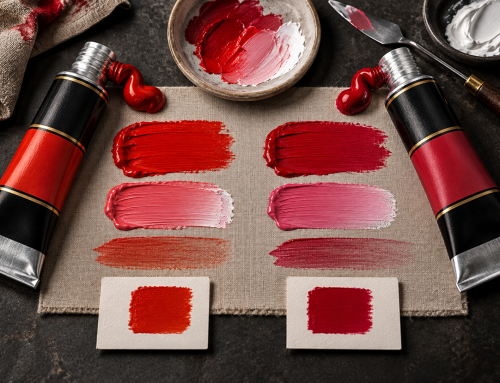
Imagine picking up a single tool and painting bold, expressive strokes directly onto canvas — no brushes, no palette, no messy setup. That’s the magic of Oil Sticks. Yet many artists still default to traditional Oil Paint for its versatility and fine control. Both are essential oil painting tools, but they behave very differently in texture, application, and creative possibilities.
If you’ve ever wondered whether to reach for Oil Sticks or stick with classic tube paints — or how to combine them effectively — you’re not alone. This oil sticks vs oil paint guide breaks down their real differences in composition, drying characteristics, strengths, and ideal uses. By the end, you’ll know exactly when to choose one over the other and how to use both together for more dynamic results.
At Phoenix Art Materials, we manufacture both Oil Sticks and Oil Paint using high-purity pigments and carefully balanced binders. Our goal is simple: give professional artists and serious creators stable, high-performance materials that let them switch freely between tools without compromising quality.
Whether you’re exploring outdoor sketching, large abstract works, or refined studio pieces, understanding these two formats will expand your creative options significantly.

1: What Are Oil Sticks?
What Are Oil Sticks?
Oil Sticks, also known as oil bars or painting sticks, are a unique form of oil color designed for direct application. They combine highly concentrated pigments with drying oils like linseed or safflower oil, plus a small amount of wax. This special formulation creates solid, crayon-like sticks that artists can hold and draw with straight from the hand.
Unlike traditional paints, Oil Sticks require no brushes or palette for basic use. You can apply them directly to primed canvas, building rich, textured marks quickly and intuitively.
Key Characteristics of Oil Sticks
-
High portability: Perfect for plein air painting or travel sketching.
-
Bold, expressive strokes: Deliver thick, painterly marks with visible texture.
-
Permanent finish: Once fully dry, they form a durable oil paint film that resists cracking when applied correctly.
These oil painting sticks behave much like traditional Oil Paint in terms of long-term durability, but their solid form offers greater immediacy and freedom.
A Brief History of Oil Sticks
Oil Sticks were invented in 1949 by the French company Sennelier at the request of Pablo Picasso. Picasso wanted a tool that allowed him to draw directly with color in a more spontaneous way. Since then, many contemporary artists have adopted Oil Sticks for their versatility in both studio and outdoor work.
Today, they are widely used in abstract, mixed media, and large-scale oil paintings.
Phoenix Art Materials Oil Sticks Advantage
At Phoenix Art Materials, our Oil Sticks use a premium wax blend combined with high-purity pigments. This results in exceptionally rich, saturated colors that glide smoothly without crumbling or drying out too quickly.
Artists particularly appreciate their strength and consistency — the sticks maintain their shape during vigorous use while delivering professional-grade intensity.
2: What Is Traditional Oil Paint?
What Is Traditional Oil Paint?
Traditional Oil Paint is the classic medium most artists associate with oil painting. It consists of high-concentration pigments ground in drying oils, primarily linseed or safflower oil, with little to no wax. This formulation is typically packaged in tubes or jars, offering a buttery, versatile consistency.
Unlike Oil Sticks, traditional Oil Paint is designed to be applied with tools such as brushes, palette knives, or painting knives. This allows for precise control over thickness, blending, and detail.
Key Characteristics of Traditional Oil Paint
-
Flexible application: Easily mixed with mediums to adjust flow, transparency, and drying time.
-
Excellent layering potential: Supports both thin glazes and thick impasto textures.
-
Controllable drying: Artists can extend or shorten drying time using oil mediums or solvents.
These qualities make Oil Paint ideal for artists who need subtlety, smooth transitions, and complex color mixing.
Classic Techniques with Traditional Oil Paint
Traditional Oil Paint excels with time-tested methods:
-
Fat over Lean: Applying thicker, oil-rich layers over leaner, faster-drying ones to prevent cracking.
-
Glazing: Building luminous depth with thin, transparent layers.
-
Impasto: Creating rich, textured surfaces with heavy paint application.
These techniques have defined oil painting for centuries and remain essential for realistic, studio-based work.
Phoenix Art Materials Oil Paint Advantage
At Phoenix Art Materials, our traditional Oil Paint uses premium-grade pigments and refined drying oils. The result is exceptional color strength, smooth blending, and reliable performance across all techniques.
3: Key Differences Between Oil Sticks and Oil Paint
Oil Sticks vs Oil Paint: Side-by-Side Comparison
Understanding the core differences between Oil Sticks and traditional Oil Paint helps artists choose the right tool for their creative needs. While both are professional oil-based colors, their physical form and handling create distinct working experiences.
Here is a clear comparison:
| Aspect | Oil Sticks | Traditional Oil Paint |
| Form | Solid stick (direct hand-held) | Tube or jar (requires tools) |
| Composition | Pigments + drying oil + small amount of wax | Pigments + drying oil (minimal or no wax) |
| Application | Direct drawing, thick strokes, scraping | Brushes, knives, blending, thin to thick layers |
| Drying Time | Similar to traditional oil paint | Highly controllable with mediums and solvents |
| Portability | Extremely high (no palette needed) | Lower (requires brushes, palette, setup) |
| Surface Requirement | Primed canvas recommended | Primed canvas recommended |
Additional Important Differences
Expression and TextureOil Sticks naturally produce bold, gestural marks with visible texture, making them excellent for expressive and abstract work. Traditional Oil Paint offers smoother blending and finer detail control, which suits realistic and delicate painting styles.
Cleaning Difficulty Oil Sticks are generally easier to clean up since they produce less waste and don’t require constant palette mixing. However, traditional Oil Paint can create more mess but allows better control during extended studio sessions.
Mixing Compatibility Both Oil Sticks and Oil Paint are compatible and can be used together in mixed media pieces. They follow the same oil painting rules, allowing seamless layering when applied correctly.
4: Pros and Cons of Oil Sticks
Pros and Cons of Oil Sticks
Oil Sticks offer a distinctive working experience that many artists find liberating. However, like any medium, they come with both strengths and limitations. Understanding these helps you decide when to reach for them.
Advantages of Oil Sticks
-
Excellent Portability: No need for brushes, palettes, or messy setups. Perfect for plein air painting and travel sketching.
-
Immediate Creativity: Draw directly on canvas for fast, spontaneous mark-making and bold expressive strokes.
-
Bold Texture: Naturally create thick, gestural lines and rich impasto effects with strong visual impact.
-
Mixed Media Friendly: Work well with other materials such as acrylics, pastels, or collage elements.
-
Outdoor and Quick Work: Ideal for rapid layering and on-location studies where speed matters.
These benefits make Oil Sticks a favorite for artists who value freedom and direct expression.
Disadvantages of Oil Sticks
-
Limited Color Range: Usually fewer shades available compared to traditional tube paints.
-
Less Precision: Slightly harder to achieve fine details and smooth blending.
-
Varnishing Considerations: The wax content may affect how final varnishes adhere, requiring careful technique.
Despite these points, proper handling and layering minimize most drawbacks.
Phoenix Art Materials Oil Sticks Highlights
At Phoenix Art Materials, we have refined our Oil Sticks with premium wax formulations and high-purity pigments. This delivers richer, more saturated colors that resist crumbling while maintaining excellent workability.
Artists using our Oil Sticks often praise their smooth application, vibrant intensity, and strong adhesion — even when used heavily in large-scale works.
5: Pros and Cons of Traditional Oil Paint
Pros and Cons of Traditional Oil Paint
Traditional Oil Paint remains the most popular choice for many professional artists. It offers unmatched versatility but also comes with certain challenges. Here’s a balanced look at its strengths and weaknesses.
Advantages of Traditional Oil Paint
-
Wide Color Selection: Available in hundreds of shades, including rare and specialty colors.
-
Superior Fine Control: Excellent for smooth blending, detailed work, and subtle transitions.
-
Outstanding Layering: Supports complex techniques like glazing and building depth over time.
-
Professional Durability: Creates highly stable, long-lasting artworks when applied correctly.
These qualities make traditional Oil Paint the go-to medium for studio work that demands precision and refinement.
Disadvantages of Traditional Oil Paint
-
Requires More Setup: Needs brushes, palette, mediums, and solvents before starting.
-
Messier Process: Can easily create waste and stain hands, clothes, and workspace.
-
Slower Drying Time: Takes longer to dry, which can delay layering in time-sensitive projects.
-
Less Convenient for Quick Work: Not ideal for fast outdoor sketching or spontaneous sessions.
Phoenix Art Materials Oil Paint Highlights
Phoenix Art Materials crafts our traditional Oil Paint with high-purity pigments and refined drying oils. This ensures strong tinting power, smooth consistency, and excellent lightfastness for professional results.
6: When to Use Oil Sticks vs Oil Paint
When to Use Oil Sticks vs Oil Paint
Choosing between Oil Sticks and traditional Oil Paint depends on your project goals, working environment, and artistic style. Each format shines in specific situations.
Best Scenarios for Oil Sticks
Oil Sticks are ideal when speed, freedom, and texture matter most:
-
Outdoor sketching and plein air painting
-
Large-scale abstract and expressive works
-
Quick layering and spontaneous creative sessions
-
Mixed media experiments and collage-style projects
Their direct application makes them perfect for artists who want to work fast without heavy preparation.
Best Scenarios for Traditional Oil Paint
Traditional Oil Paint excels in projects that require control and refinement:
-
Realistic portraits and detailed figurative work
-
Smooth color gradients and subtle blending
-
Traditional studio paintings with multiple layers
-
Works needing high precision and fine details
This format gives artists the flexibility to build complex, luminous surfaces over time.
Best Practice: Combining Both
Many professional artists achieve the best results by using Oil Sticks and Oil Paint together.
For example: Start with Oil Sticks to block in bold shapes and energetic underpainting. Then switch to traditional Oil Paint for refining details, smooth transitions, and final glazes.
This combination leverages the strengths of both tools while following proper oil painting principles.
7: How to Combine Oil Sticks and Oil Paint – Mixed Media Techniques
How to Combine Oil Sticks and Oil Paint
Combining Oil Sticks and traditional Oil Paint opens up exciting creative possibilities. Many professional artists use both in the same artwork to enjoy the strengths of each. Here are practical techniques to help you integrate them successfully.
Practical Mixed Media Techniques
Use Oil Sticks for Base Layers and Bold Strokes Start your painting with Oil Sticks to quickly establish composition, large shapes, and energetic textures. Their solid form allows fast, direct application that creates a strong foundation.
Soften and Blend with Oil Mediums Apply a small amount of linseed oil, stand oil, or painting medium over Oil Sticks marks to soften edges and improve blending with traditional Oil Paint. This helps the two mediums fuse naturally.
Follow the Fat over Lean Principle Always apply leaner layers first. Use Oil Sticks (which contain wax) in early layers, then build with fatter traditional Oil Paint on top. This prevents cracking and ensures long-term stability.
Layering Workflow Example
-
Sketch and block in with Oil Sticks
-
Add medium to soften selected areas
-
Refine details and glazes with traditional Oil Paint
Real-World Application with Phoenix Materials
Phoenix Art Materials artists often begin large abstract or landscape pieces with our Oil Sticks for dynamic underpainting, then switch to Phoenix Oil Paint for depth and finishing touches. The result is artworks with both raw energy and refined detail.

8: Frequently Asked Questions (FAQ)
Frequently Asked Questions About Oil Sticks vs Oil Paint
Here are clear answers to the most common questions artists ask when comparing Oil Sticks and traditional Oil Paint.
Can Oil Sticks Completely Replace Traditional Oil Paint?
No, Oil Sticks cannot fully replace traditional Oil Paint. While they are excellent for bold work and quick application, they offer fewer colors and less precision for fine details. Most artists use both mediums depending on the project needs.
Can You Mix Oil Sticks and Oil Paint Directly?
Yes, you can mix them. Oil Sticks and traditional Oil Paint are fully compatible since they share the same oil-based foundation. For best results, follow the fat over lean rule and allow proper drying time between layers.
Can You Varnish Oil Sticks After They Dry?
Yes, you can apply varnish to dried Oil Sticks. However, because they contain wax, it’s best to wait at least 6–12 months for full curing and test the varnish on a small area first. Using a compatible oil painting varnish helps achieve an even finish.
Which Should Beginners Start With?
Beginners can start with either, but traditional Oil Paint is often recommended first. It teaches fundamental skills like color mixing and brush control. Once comfortable, adding Oil Sticks helps explore more expressive and spontaneous techniques.
How to Best Pair Phoenix Oil Sticks with Traditional Oil Paint?
Phoenix Oil Sticks work beautifully as an underpainting or texture base, while our traditional Oil Paint excels for refinement and glazing on top. Many artists use Phoenix Oil Sticks for initial bold marks and Phoenix Oil Paint for detailed finishing layers. This combination delivers both energy and professional quality.
Conclusion
Oil Sticks vs Oil Paint: Final Thoughts
Oil Sticks and traditional Oil Paint each bring unique strengths to oil painting. Oil Sticks offer spontaneity, portability, and bold texture, while traditional Oil Paint provides precision, smooth blending, and extensive color options.
Understanding the oil sticks vs oil paint differences allows you to choose the right tool for every project — or combine them for richer, more dynamic results.
By mastering both, you can expand your creative language and enjoy greater freedom in your artistic journey.
Ready to Explore?
Take your oil painting to the next level with high-quality materials from Phoenix Art Materials:
-
Browse our professional Oil Sticks series for expressive, direct painting
-
Check out our premium Oil Paint collection for studio-grade performance
-
Discover complete Oil Painting Supplies sets for beginners and professionals
Recommended Reading:Oil Sticks Buying and Usage GuideHow Oil Painting Mediums Work Guide
Start experimenting today. Whether you prefer the immediacy of Oil Sticks, the control of traditional Oil Paint, or a powerful mix of both, Phoenix Art Materials is here to support your vision with reliable, artist-approved products.
Create without limits — Phoenix Art Materials
Related Posts