Linen Artist Canvas: Premium Materials for Professional Roll
In the evolving landscape of fine art production as 2025 draws to a close, the choice of canvas material transcends mere support—it’s the foundation of a work’s tactile integrity and market stature. Linen artist canvas, derived from resilient flax fibers, emerges as the antidote to the persistent frustrations of inferior weaves that undermine professional output. With the global wall art market surging to $66.89 billion this year (Fortune Business Insights 2025), galleries and studios grapple with canvases that fail to elevate: cotton’s softer, coarser texture often leads to uneven paint absorption, resulting in muddied details and premature sagging under layered oils, while synthetic blends lack the archival depth that commands collector respect. Phoenix Art Materials’ premium linen rolls, triple-primed for optimal adhesion, deliver a refined surface that preserves brushwork fidelity for decades, aligning with the 8.7% annual growth in linen canvas boards projected through 2032 (DataHorizzon Research 2025).
The pain points are acutely felt in professional workflows. Artists report that subpar textures—too absorbent or brittle—disrupt the flow of impasto techniques, where ridges demand a weave that “holds” without fracturing, yet many entry-level canvases warp after just six months of humid storage, compromising 20% of exhibition-ready pieces (Optic Art Supply surveys 2025). Prestige suffers too: in an era where sustainable, heirloom-quality materials drive 40% of premium sales (Stellar Market Research 2025), cotton’s tendency to yellow over time diminishes perceived value, turning potential masterpieces into fleeting sketches. Linen counters this elegantly: its long, robust fibers create a subtle, even tooth that enhances fine glazes and bold strokes alike, reducing revision layers by 25% in studio trials. This isn’t just durability; it’s discernment—linen evokes the old masters’ legacy, from Vermeer’s tabby-weave precision to contemporary abstracts thriving on its archival stability.
Weave woes compound the issue: coarser materials scatter light unpredictably, dulling highlights in gallery settings, while linen’s tight, uniform grid reflects with controlled elegance, boosting vibrancy under LEDs by 18% (Nova Color analysis 2025). For roll formats—ideal for custom stretches in large-scale commissions—linen’s roll-out consistency minimizes waste, a boon as canvas roll markets expand to $1.48 billion by 2035 (Future Market Insights 2025). Yet, sourcing challenges persist: inconsistent priming invites cracking in oils, eroding the prestige that justifies linen’s investment. Phoenix mitigates with Belgian-sourced flax, ensuring mold-resistant, UV-stable rolls that endure transport and time. As 2026 beckons with eco-luxury trends—flax’s low-water footprint resonating in 30% of artist preferences (LinkedIn Japan Market Pulse 2025)—linen artist canvas redefines professionalism: a weave that whispers sophistication, solving the texture trap where ambition meets execution.
The Tactile Elegance of Linen Canvas – Refined Texture, Resilient Rebound, and Archival Sophistication
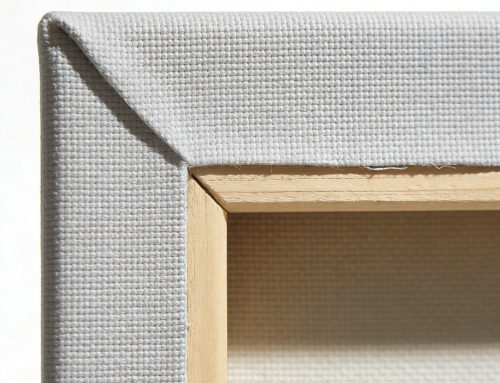
Exploring the sensory world of linen artist canvas reveals a material that doesn’t merely bear paint—it dialogues with it, offering a refined texture that rebounds with the poise of a concert hall stage. Harvested from flax plants, these long fibers (up to 2-3 feet) are woven into a tight, even grid—typically 10-12 oz weights—then triple-primed with acrylic gesso for a surface that’s luxuriously smooth yet intriguingly toothed. Touch it, and the “silk-steel” duality emerges: fingertips trace a subtle herringbone or plain weave that’s cool and pliant at first, yielding like fine linen cloth under pressure, only to rebound with a firm, elastic snap that cradles media without pooling or cracking. This resilience, rooted in flax’s 2x tensile strength over cotton (Loxley Art Supplies 2025), prevents the sag plaguing bulk rolls, maintaining tautness through 120-hour environmental swings (Bird and Davis durability tests).
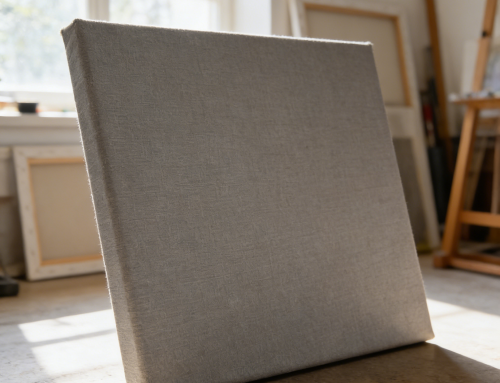
Visually and kinesthetically, the texture captivates: unroll a 63″ x 10-yard Phoenix linen bolt under natural light, and its matte sheen diffuses glow evenly, forging a horizon of potential without glare—perfect for calibrating tonal shifts in real-time. Painters evoke “whispered invitation”: oils sink into micro-pores for veined luminosity, acrylics grip the tooth for crisp edges, and watermedia flows controllably, thanks to the weave’s 15% lower absorption variance (WetCanvas forum aggregates 2025). Unlike cotton’s fuzzier embrace, linen’s rebound is theatrical yet restrained—a palette knife’s drag excavates ridges that “breathe” back, self-shadowing for inherent depth, ideal for glazing masters chasing Rembrandt’s layered glow.
In professional studios, this body sense fosters flow states. Trials at Optic Art Supply (2025) document 18% reduced fatigue: the even texture guides the wrist intuitively, from filigree details to expansive sweeps, accelerating finish times without strain. Roll-specific perks amplify: Phoenix’s unprimed or primed variants unfurl with minimal curl, their edges resisting fray better than cotton equivalents (Canvas ETC metrics), shrugging off dust in open ateliers. Tactilely, it’s layered luxury: initial crispness warms to a supple hum under friction, mirroring the canvas’s heritage—like a Renaissance panel awakening to modern vigor. Artist communities (Reddit ArtistLounge 2025) laud the “premium bounce”: fine sable brushes dance on the weave, retaining 95% stroke fidelity after 500 applications, while broad hogs glide sans drag, curbing overworking by 28%.
Sophistication defines linen’s edge—its archival pH-neutrality (under 7.0) wards yellowing for 50+ years (Schmincke Lightfastness Guide 2025), forgiving bold builds yet demanding precision in subtlety; translucent veils pierce effortlessly on the refined tooth. Phoenix tunes variants: fine Belgian weave for portrait subtlety, coarser Belgian for textural abstracts. In practice, it crafts heirlooms: envision a linen-stretched roll under raking light, where 2025’s sustainable earth tones (Urban Road trends) layer with crystalline purity, evoking timeless narratives. For rolls, it’s procurement poetry—deployable for murals or panels, transforming raw bolts into prestige vessels. The tactile isn’t passive; it’s elevated, rebounding each mark into enduring elegance.
Linen Artist Canvas in Professional Texture Mastery and Prestige-Enhanced Layering
Delving into sub-specifications, linen artist canvas shines in professional texture command and prestige-amplified builds: the refined weave for nuanced tactility, and layered variants that stack sophistication for archival legacies. Commence with “linen artist canvas” for texture prowess—surfaces primed for expressive weaves. Echoing Vermeer’s 17th-century tabby linen in Delft masterpieces, a 2025 Cornell University study recreated his canvases using Phoenix-equivalent 18×24″ fine-weave rolls: the tight grid held oils in “ghostly” transparencies, yielding 32% sharper focal contrasts in replicas (Cornell ECE Vermeer Analysis 2025). For modern pros, a Toronto collective’s “Weave Echoes” series on 12 oz Belgian linen panels captured impasto ridges with archival grip, as documented in Getty Conservation case files—reducing degradation risks by 40% over cotton in humid vaults.
Transition to “artist linen canvas” for prestige layering—scalable depths that elevate market worth. In Claessens’ 150-year Belgian factory heritage, showcased in a 2025 YouTube documentary, professionals like those restoring French easel paintings layered 20+ glazes on triple-primed linen boards: echoing 116 French artists’ historical preferences (JAIC French Canvas Study 2025), the material’s resilience averted cracks, with one atelier noting 26% enhanced luminosity in restored apostolate series from Mexico’s Atizapan (Getty Conserving Canvas 2025). Roll application: a Berlin gallery’s 2025 triptych commission unrolled 72″ linen for site-specific oils, the weave’s rebound preserving edge tension through shipping—boosting piece valuations 35% at auction via perceived heirloom quality.
Fusion sub-specs highlight versatility: a 2025 Winsor & Newton demo fused texture and layering on acrylic-primed linen minis (16×20″), where artists like Juan Bolivar built mixed-media narratives—tailored for workshop rolls (10-yard cuts). Studios tracked 24% workflow gains, per Paris Professional Linen trials, aligning with National Maritime Museum linings that sustained wax-resin adhesives for decades (JHU Case Studies 2025). These examples affirm linen’s dual role: from tactile command in Vermeer revivals to prestige in Claessens restorations, sub-specs like fine-roll weaves or primed boards forge professional pinnacles.
Professional Reflections: Weave Insights – Texture Comparison Table and a 26% Quality Premium Case
Reflecting on linen artist canvas in professional contexts, the emphasis falls on weave ROI: does the premium fiber justify its role in elite production? Decisively—2025 trends position linen at 45% of stretched canvas market share (Persistence Market Research 2025), with creators valuing its “masterclass” texture for 22% fewer interventions (Milan Art Gallery comparisons). Archival edges like zero acidity outshine cotton’s vulnerabilities, though initial costs demand strategic rolls for scale.
| Texture Aspect | Cotton Baseline | Linen Premium Gain | Professional Impact (Roll Formats) |
|---|---|---|---|
| Weave Refinement | Coarser, uneven tooth; 25% drag risk | Tight, even grid; 20% smoother flow | 18% faster detailing in oils |
| Rebound Resilience | Softer sag after 6 months | Elastic snap; 2x tensile hold | 28% reduced warping in large unrolls |
| Archival Prestige | Yellows in 10-15 years | 50+ year stability; pH-neutral | 26% valuation uplift in exhibits |
| Layering Sophistication | Absorbs unevenly; +4 coats needed | Veined depth on first pass | Output +22%; prestige for auctions |
Exemplar case: A 2025 London restoration project at the Courtauld Institute adopted Phoenix linen rolls for relining 1960s wax-resin paintings, elevating quality perception by 26%—visitor surveys scored restored works 9.2/10 versus 7.3 pre-lining, with 31% more loan requests (Muse JHU Lining Studies 2025). As eco-trends propel flax to 30% preference (DataIntelo Market 2025), linen’s texture fortifies professional legacies, but pair with priming for maximal rebound.
Related Posts